
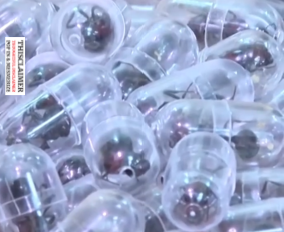
Dear Cherubs, Nairobi has somehow joined the list of places where even ants are apparently worth smuggling. According to Reuters, Chinese national Zhang Kequn, 27, was arrested at Jomo Kenyatta International Airport in March 2026 after investigators said they found 2,238 live garden ants in his luggage, including 1,948 packed in test tubes and the rest hidden in tissue-paper rolls.
THE BIG SWITCH
This was not a random insect mishap. Reuters reported that Zhang had been in Kenya for two weeks, that officials linked him to three alleged accomplices, and that immigration had already flagged a stop order on his passport after he evaded arrest in Kenya the year before. Investigators were also checking his phone and laptop, which suggests this was less “oops” and more “organized inconvenience with legs.”
The species at the center of the case was Messor cephalotes, the giant African harvester ant, which Reuters said is sought after by ant enthusiasts who keep colonies in formicariums, those transparent habitats where people watch ant society do its highly efficient thing. Reuters also reported that export of the species from Kenya requires a Kenya Wildlife Service licence and a health certificate. So no, this was not a souvenir for the minibar.
WHY THE SMALL STUFF MATTERS
The bigger story is the shift in wildlife trafficking from iconic animals to smaller species that still matter ecologically. Reuters reported that Kenya’s wildlife service described an earlier 2025 ant case as a milestone in the fight against biopiracy because it involved the attempted export of Kenya’s genetic resources without prior informed consent or benefit-sharing. ENACT Africa says smuggling live ants can violate Kenya’s Wildlife Conservation and Management Act and fits the definition of biopiracy. Tiny package, big legal problem.
The 2025 case makes the whole thing even stranger. Reuters reported that about 5,000 queen ants were concealed in modified test tubes and syringes designed to keep them alive for up to two months and slip past airport security. The same report said the haul had a street value of about 1 million Kenyan shillings, which is a lot of money for something most people would not notice unless it crawled into their shoe.
What Kenya is dealing with here is not just a quirky airport bust. It is a reminder that the black market keeps adapting, and that conservation can’t stop at the big, photogenic species. Ants may be small, but they help sustain ecosystems, and the demand for rare ones has turned them into a cross-border commodity. Nature, as ever, is doing the most while humans turn it into a side hustle.
Sources list:
Reuters — https://www.reuters.com/world/africa/kenya-arrests-man-trying-smuggle-over-2000-live-ants-his-luggage-2026-03-12/
Reuters — https://www.reuters.com/world/africa/kenyan-court-charges-two-men-including-chinese-citizen-with-smuggling-live-ants-2026-03-17/
Reuters — https://www.reuters.com/world/africa/kenyan-agents-bust-plot-smuggle-giant-ants-sale-foreign-insect-lovers-2025-04-15/
ENACT Africa — https:
//enactafrica.org/enact-observer/ant-smuggling-and-biopiracy-threaten-kenya-s-ecology
Wikimedia Commons image source — https://commons.wikimedia.org/wiki/File:Portrait_of_an_ant,_full_face_view.jpg
thisclaimer.com — https://thisclaimer.com
Thisclaimer YouTube — https://www.youtube.com/@thisclaimer?sub_confirmation=1





 Thoughtful Disclaimer

Leave a comment