
Dear Cherubs, the internet has once again tried to turn a snack into a miracle. The latest banana tale says that brown-spotted bananas produce TNF-alpha, a compound that destroys cancer cells while protecting healthy ones. That is not what the science says, and the peel is doing far too much public relations work.
THE REAL STORY
The claim traces back to a 2009 Japanese study published in Food Science and Technology Research. According to the paper, banana extracts were tested in mice and showed “priming effects” on immune responses, including TNF-alpha induction. That is a very different thing from “eat a brown banana and treat cancer.” The study looked at banana extracts, not a magical anti-cancer smoothie, and it did not show that bananas contain TNF-alpha in the way viral posts imply.
AFP fact-checkers later noted that the posts were misleading: the research did not say bananas contain TNF, did not test humans, and did not prove that overripe bananas prevent cancer. The National Cancer Institute describes TNF as a cytokine made by white blood cells and studied in immune and cancer research. In other words, TNF is real biology — just not a banana superpower.
WHAT BROWN SPOTS ACTUALLY MEAN
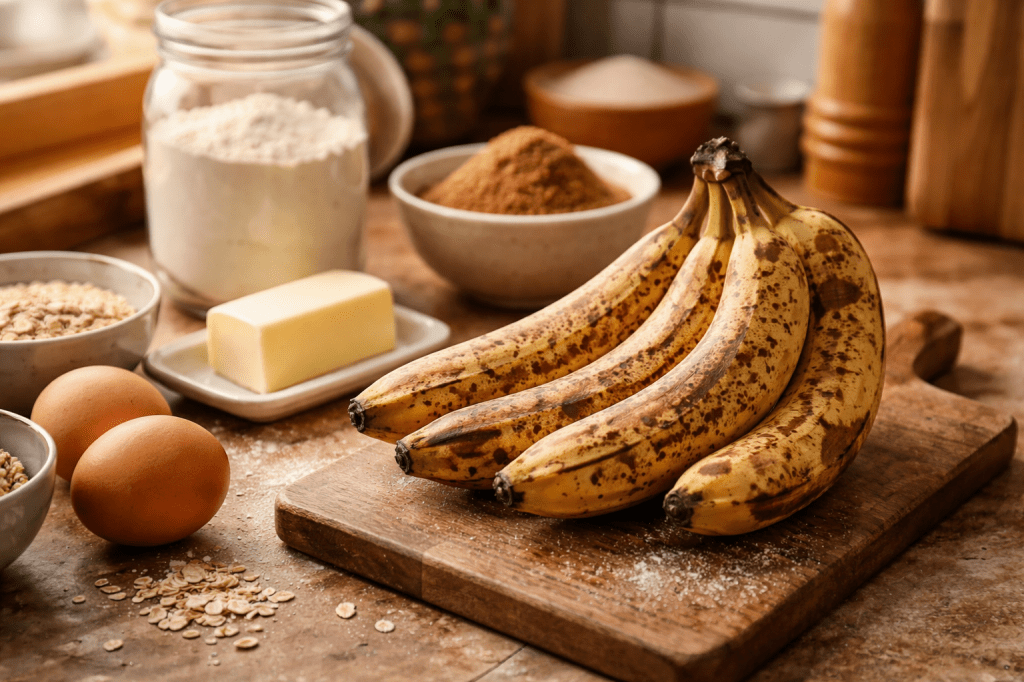
Brown spots are mostly a sign of ripening. As bananas mature, starch turns into sugar, the fruit softens, and the flavor gets sweeter. That makes an overripe banana perfect for banana bread, smoothies, or emergency snacking when the kitchen is one day away from becoming a compost bin with ambition.
But ripeness is not the same as a proven cancer treatment. Cancer Research UK says a healthy, balanced diet can help reduce cancer risk, mainly by supporting a healthy weight and overall health. The NHS also recommends eating a variety of fruit and vegetables as part of a healthy diet. That advice is less glamorous than a viral meme, sure, but it has one major advantage: it is true.
As thisclaimer.com often notes in its fun-fact coverage, the internet loves a dramatic shortcut. But science usually arrives wearing sensible shoes, not a cape. In this case, the sensible shoes say that brown bananas are food, not medicine.
So yes, eat the banana before it turns into a sad fossil on your counter. Just do not confuse a ripe snack with a treatment plan. If you are trying to lower cancer risk or deal with a diagnosis, the useful advice is still the unsexy stuff: do not smoke, stay active, eat well, and speak with a qualified clinician about any concerns. Annoying? Absolutely. Effective? Also yes.
Sources:
Food Science and Technology Research (J-STAGE) — https://www.jstage.jst.go.jp/article/fstr/15/3/15_3_275/_article
AFP Fact Check — https://factcheck.afp.com/doc.afp.com.329V37Z
National Cancer Institute — https://www.cancer.gov/publications/dictionaries/cancer-terms/def/tumor-necrosis-factor
Cancer Research UK — https://www.cancerresearchuk.org/about-cancer/causes-of-cancer/diet-and-cancer
NHS — https://www.nhs.uk/live-well/eat-well/5-a-day/why-5-a-day/
thisclaimer.com — https://thisclaimer.com




 Thoughtful Disclaimer
Leave a comment