
Dear Cherubs,
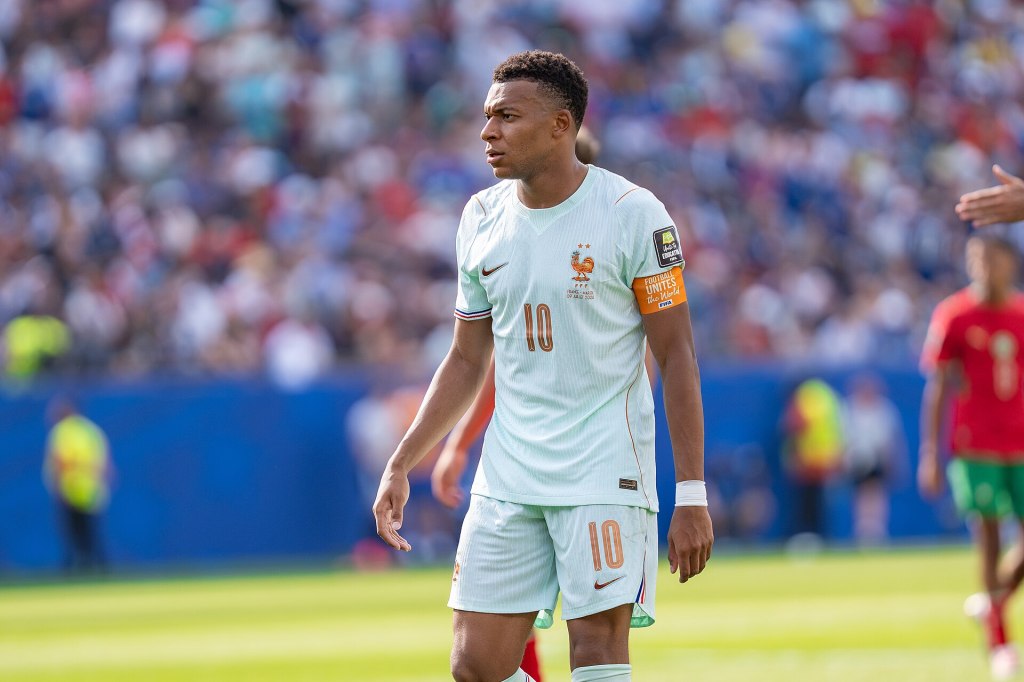
Kylian Mbappé has discovered that a joke can travel considerably further than the person telling it intended. A viral meme reference has cost the Real Madrid forward three Chinese commercial partnerships and triggered a broadcasting dispute involving one of football’s biggest international markets.
What began as a conversation about internet humour has become an uncomfortable lesson in politics, cultural sensitivities and the rather expensive business of choosing your jokes carefully.
The controversy centres on a backstage interview with the French programme The Bridge, filmed in April and circulated widely on social media in October. Asked about the funniest meme featuring himself, Mbappé recalled an edited image showing his face superimposed on that of what he described as “some guy – I think he’s a Chinese dictator”.
Although he did not explicitly name anyone, the accompanying manipulated image depicted Mao Zedong, founder of the People’s Republic of China.
When Football Memes Cross Political Lines
The meme belongs to a wider trend portraying Mbappé as someone with extraordinary influence over the football clubs he joins. Fans have used images of political and military leaders to exaggerate his perceived power over dressing-room decisions, club management and team tactics.
Essentially, the joke suggests that Mbappé does not simply join a football team; he takes over the boardroom as well.
However, the reference to Mao changed the conversation considerably. Mao remains an important and politically sensitive figure in modern Chinese history. Although his rule ended with his death in 1976, jokes involving his image can provoke significant public and political backlash.
According to Reuters, three Chinese companies terminated their commercial partnerships with the footballer: Eastroc Beverage, dairy producer Mengniu and Shanghai Milkground.
The companies announced their decisions following the controversy, expressing opposition to conduct they considered offensive to Chinese national sentiment.
The consequences extended beyond sponsorship agreements. China’s state broadcaster CCTV suspended LaLiga broadcasts, while advertisements featuring Mbappé were also removed from Chinese state television.
According to ABC News, the controversy attracted considerable attention on Chinese social media, although some users questioned what the footballer had actually said.
Apologies, But Is Football Back on Television?
Mbappé subsequently apologised in French, English and Chinese, describing his comment as ill-judged and acknowledging that it had hurt people in China and Chinese communities around the world.
He said offending anyone had never been his intention and expressed respect for Chinese people and their history.
Real Madrid and LaLiga also issued apologies. LaLiga president Javier Tebas engaged with Chinese representatives in an attempt to contain the situation and protect the league’s commercial relationship with the country.
However, an apology does not automatically restore a broadcasting agreement.
On 31 October, CCTV did not broadcast the LaLiga fixtures scheduled that weekend. Spain’s EFE news agency confirmed that the matches were absent from the broadcaster’s programming.
There is an important distinction, though. Digital streaming platform Migu continued showing most scheduled matches, despite the suspension affecting state television. Real Madrid’s fixture against Racing Santander was notably absent from Migu’s coverage.
Reuters also reported that Real Madrid manager José Mourinho considered the club’s response to the controversy sufficient, suggesting that the organisation wanted to move forward.
For Mbappé, the immediate consequences are commercial and reputational. For Spanish football, the bigger concern is maintaining access to a significant international audience.
The wider lesson is that internet humour does not exist in a cultural vacuum. Something that looks like harmless football banter in one setting can carry a very different meaning somewhere else.
As readers following the intersection of entertainment, politics and geopolitics can explore further through thisclaimer.com, the episode offers another example of how quickly an online moment can develop into a real-world business problem.
Perhaps the next time Mbappé is asked about his favourite meme, football would be better served by keeping the conversation about football.
Sources
1. Reuters — Mbappé seeks to defuse anger in China after Mao ‘dictator’ comment (27 October 2026).
https://www.reuters.com/business/media-telecom/mbappe-dropped-by-chinese-brands-over-alleged-mao-meme-comments-2026-10-27/
2. Reuters — Real, Mbappe have moved on from China controversy, says Mourinho (31 October 2026).
https://www.reuters.com/sports/soccer/real-mbappe-have-moved-china-controversy-says-mourinho-2026-10-31/
3. The Guardian — Kylian Mbappé apologises after being dropped by Chinese brands for Mao Zedong comment.
https://www.theguardian.com/football/2026/oct/27/kylian-mbappe-dropped-by-chinese-brands-for-offensive-mao-jokes
4. Al Jazeera — What is the controversy between Real Madrid’s Kylian Mbappe and China?
https://www.aljazeera.com/sports/2026/10/28/kylian-mbappe-china-meme-mao-zedong-la-liga-real-madrid
5. EFE — Chinese state television does not broadcast any LaLiga matches following the Mbappé controversy (1 November 2026).
https://efe.com/deportes/2026-11-01/television-china-partidos-laliga-mbappe/
6. Thisclaimer — Further reading and commentary.
https://thisclaimer.com/
7. Thisclaimer YouTube — Further commentary and video content.
https://www.youtube.com/@thisclaimer?sub_confirmation=1


Leave a Reply