
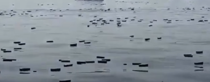
Dear Cherubs, the internet has apparently discovered a new form of treasure hunting: wait for a cargo ship to sink, then help yourself to floating iPhones and luxury perfumes. There is just one small problem with this spectacular maritime bargain: while a real ship did sink near the Strait of Hormuz, fact-checkers have found that some of the viral footage showing people collecting the expensive goods was AI-generated.
The story is a perfect cocktail of geopolitical tension, consumer temptation and social media doing what it does best: turning an alarming real-world event into an unbelievable spectacle.
A REAL SHIP, A VERY REAL CRISIS
According to reporting by The Associated Press and The Guardian, the Singapore-flagged container ship GFS Pride sank near the Strait of Hormuz on 14 October 2026, amid escalating attacks on commercial shipping in the region.
The cause remains contested. Iranian authorities said the vessel struck a naval mine after allegedly taking an unauthorised route. Other maritime reporting described the ship as having been struck by a projectile. The precise circumstances should therefore be treated with caution rather than settled as fact.
The Strait of Hormuz is one of the world’s most strategically important maritime chokepoints, connecting the Persian Gulf with the Gulf of Oman. Disruption there can affect shipping, energy markets and international trade. In other words, this is not exactly an ideal location for an impromptu shopping trip.
And then came the videos.
THE IPHONE HAUL THAT WASN’T
Clips spread across social media purporting to show people gathering iPhone boxes and luxury perfumes from the sea after the ship sank. Some posts presented the scenes as Iranian fishermen salvaging valuable cargo, while others encouraged viewers to believe that a floating Apple Store had suddenly appeared in the Gulf.
The reality is rather less cinematic.
Al Jazeera’s open-source investigation, published on 17 October, traced several viral clips to an Instagram account called Nativora, which describes its output as fictional, AI-generated cinematic content. The investigation concluded that the videos claiming to show people collecting iPhones and perfumes after the shipwreck were fabricated.
Other fact-checking reports reached similar conclusions about footage showing people collecting iPhone boxes on a beach. Some clips contained visual inconsistencies, while technical analysis also suggested AI generation.
That distinction matters. The sinking was real; the viral scenes used to illustrate the supposed treasure haul were not reliable evidence of what happened. Nor has the ship’s cargo manifest established that the vessel was carrying the specific haul of new iPhones and luxury perfumes featured in the videos.
The distinction is important because a video can look convincing without being authentic. In this case, Al Jazeera reported that the clips collectively attracted around 80 million views. That is an impressive audience for fiction, particularly when the plot involves a maritime disaster and suspiciously convenient luxury shopping.
The lesson is not that every image of floating cargo is fake. It is that footage circulating online needs independent verification before it can be treated as evidence. A real disaster does not automatically make every video attached to it real.
THE INTERNET’S NEW TREASURE MAP
Why do these clips travel so far? Because they combine three ingredients social media loves: expensive products, dramatic events and the possibility of getting something valuable for nothing. Add a geopolitical crisis, and suddenly a dubious video becomes a ready-made narrative about punishment, profiteering or ordinary people getting lucky.
But a shipwreck is not a floating discount outlet. Recovering cargo from the sea can involve serious hazards, and ownership of salvaged goods is not automatically transferred to whoever reaches them first. The exact legal position depends on the circumstances and applicable maritime law.
For readers trying to separate fact from fiction, compare viral footage with reputable reporting, check whether the original creator identifies it as AI-generated, and look for independent confirmation of the specific details. As a general rule, if a video appears almost tailor-made to confirm someone’s political argument, a little scepticism is healthy.
For more accessible explainers on viral claims, current affairs and geopolitical stories, visit thisclaimer.com or the Thisclaimer YouTube channel.
The bottom line, Cherubs? The ship sank, the regional tensions are real, and the videos of people collecting iPhones and perfumes have been exposed as fabricated in key examples. Until credible evidence emerges, treat the supposed luxury haul as internet fiction rather than breaking news.
Sources:
1. Al Jazeera — Investigation into fake iPhone and perfume videos, published 17 October 2026. https://www.aljazeera.net/news/2026/10/17/حصدت-80-مليون-مشاهدة-ما-حقيقة-مقاطع-جمع-الآيفون-والعطور-من-مياه-هرمز
2. Associated Press — Iran says a ship sank after striking a mine in the Strait of Hormuz. https://apnews.com/article/7e2c57a29fd5c3afc7ffe0cf63954bf3
3. The National — Fire, sinking and reported scramble for cargo: what we know about the ship lost in the Strait of Hormuz. https://www.thenationalnews.com/news/gulf/2026/10/15/fire-sinking-and-reported-scramble-for-cargo-what-we-know-about-ship-lost-in-strait-of-hormuz/
4. The Guardian — Two container ships sink near the Strait of Hormuz amid a surge in Iranian attacks. https://www.theguardian.com/world/2026/oct/14/container-ship-sinks-strait-of-hormuz-surge-iranian-attacks-iran-us-midterm-elections
5. Thisclaimer — Further reading and accessible explainers. https://thisclaimer.com/
6. Thisclaimer YouTube — Videos and explainers. https://www.youtube.com/@thisclaimer?sub_confirmation=1






Leave a Reply