
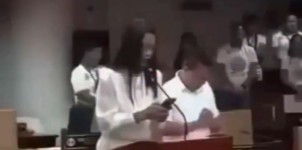
During the June 17 city council session in Tuguegarao, a routine opening prayer took an unexpected — and very 21st-century — turn. Councilor Grace Arago led the invocation while reading from her phone, but the moment went viral when she aloud included what appeared to be an editing prompt: “Feel free to modify this prayer or tailor it to your specific needs and benefits.” The clip, streamed on the council’s Facebook feed, quickly spread across social platforms and drew a wave of amusement and criticism online. The Summit ExpressGameOPS
The incident is a small but telling example of how artificial intelligence tools — now routine aids for drafting text, email replies, and speeches — are creeping into civic life. Supporters argue that AI can help busy public servants craft clear, inclusive language and can be a useful assistive tool for people who struggle with written English. But critics say a prayer, as a personal or spiritual expression, feels inappropriate when outsourced to an algorithm. Online commentators alternated between jokes (some nicknaming the councilor the “ChatGPT Queen”) and sharper rebukes about sincerity and authenticity. PEP.ph+1
Beyond the immediate embarrassment, the episode highlights real risks when public figures rely on AI without careful review. Generative models can hallucinate facts, introduce awkward phrasing, or leave behind editing notes and prompts — the exact error that caused this viral blunder. In public settings, such mistakes can undermine credibility, fuel misinformation, or offend constituents when tone and cultural sensitivities are missed. Responsible use requires human oversight: review outputs, adapt language to local context, and never read AI text verbatim in sensitive moments. Pop InquirerPhilNews
AI is a powerful assistant, but it’s not infallible or sentient — and it shouldn’t be treated as a substitute for judgment or empathy. For public servants, the take-away is simple: use AI thoughtfully, proofread every output, and remember that authenticity matters. What happened in Tuguegarao may have been a minor slip, but it’s a useful reminder that technology’s convenience comes with responsibilities — and occasional, very public, mistakes.
If you want, I can:
- Export this as a formatted PDF or policy brief;
- Produce a one-page summary for public distribution; or
- Draft the actual onboarding forms and exception templates.
Which would you like next?😂





 Thoughtful Disclaimer
Leave a comment