
Dear Cherubs,
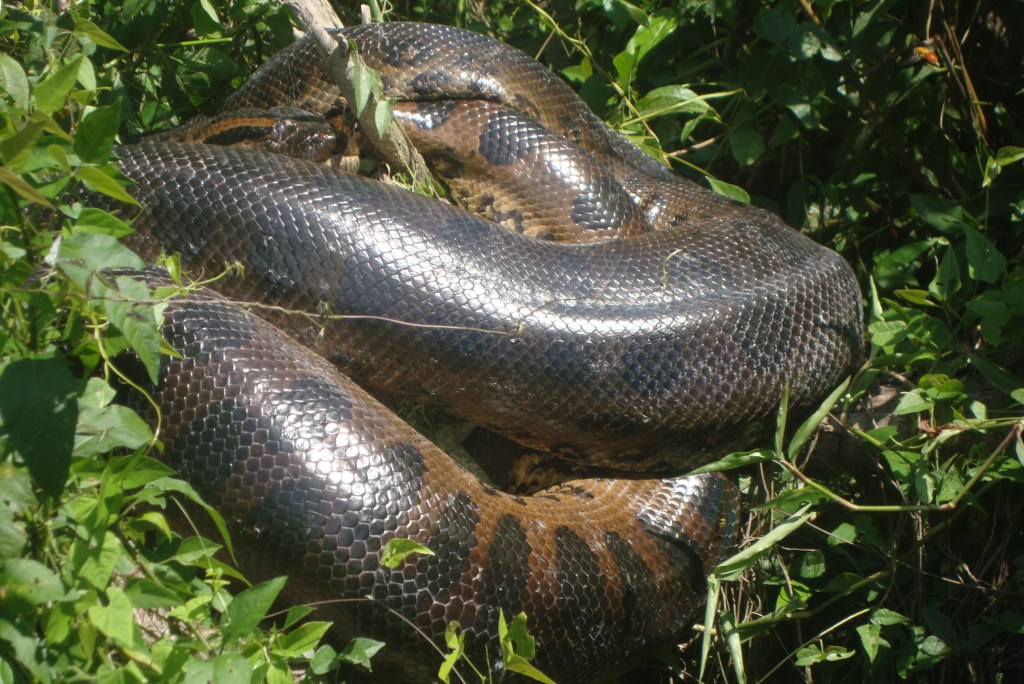
A giant anaconda reportedly measuring between six and seven metres has been found near a bridge in the Indigenous community of Umariaçu, close to Tabatinga, in Brazil’s Amazonas state. The discovery has attracted attention for the snake’s extraordinary size, but the reported circumstances surrounding its death have raised an altogether more uncomfortable question: what happened to this enormous Amazonian predator?
According to information circulating alongside images of the discovery, the animal was reportedly found dead and may have been hunted. However, neither the precise cause of death nor the circumstances in which the snake was found have been independently established. And that’s an important distinction, particularly when social media is already doing what social media does best: reaching conclusions before the evidence has had its morning coffee.
A GIANT FROM THE AMAZON
Umariaçu is an Indigenous community in the municipality of Tabatinga, in the western Brazilian Amazon, an area close to the borders with Colombia and Peru.
The surrounding region is part of an extraordinary tropical ecosystem, where rivers, wetlands and dense rainforest provide habitats for some of South America’s most impressive wildlife.
Among them is the green anaconda, commonly known in Brazil as the sucuri. It is one of the largest and heaviest snakes in the world, and its reputation is certainly not based entirely on Hollywood imagination.
According to Brazil’s Butantan Institute, anacondas belong to the genus Eunectes, and documented specimens have reached approximately seven metres in length. Females are generally considerably larger than males, making an encounter with a particularly mature specimen an impressive sight.
The reported measurements of the Umariaçu animal are therefore biologically plausible. However, without an official measurement or examination, its actual length remains unverified.
THE BIGGER QUESTION: WHY WAS IT DEAD?
The most concerning aspect of the circulating reports is not simply the animal’s size, but the suggestion that it may have been deliberately killed.
Anacondas are powerful predators, but they are also important components of their natural ecosystems. As predators, they help regulate populations of other animals, contributing to the balance of the habitats in which they live.
That does not mean every encounter between people and a large snake is straightforward. Communities living alongside wildlife can face genuine concerns involving livestock, personal safety and unexpected encounters. Understanding those circumstances matters when discussing conservation.
Nevertheless, killing wildlife simply because it is large, frightening or misunderstood can have consequences beyond the individual animal.
There is currently no verified information establishing whether this particular snake was killed deliberately, died naturally or was found after another incident. No confirmed official investigation or veterinary examination has been identified in the available reporting.
And before anyone declares the case solved based on a photograph, perhaps we should allow the evidence to catch up.
AN ANIMAL WORTH PROTECTING
The Butantan Institute also highlights the importance of separating established biological facts from the exaggerated stories that often surround giant snakes. Anacondas are not mythical monsters, despite their ability to inspire some spectacularly dramatic headlines.
Their survival depends on healthy aquatic environments, suitable prey and functioning ecosystems. Protecting these habitats also benefits countless other species that share the Amazon.
There is another important consideration: an animal of this size represents a significant part of its local ecosystem. Losing a large predator is not simply losing an impressive photograph or an unusual wildlife encounter.
For now, the Umariaçu discovery remains a story with unanswered questions. The reported six-to-seven-metre measurement has attracted attention, while the suggestion of hunting deserves proper investigation rather than assumptions.
The Amazon is home to extraordinary wildlife, and encounters like this remind us that humans are visitors in an ecosystem that existed long before our bridges, roads and social media accounts.
Perhaps the real headline should not simply be about how enormous this snake was, but about how much we still need to understand and protect the natural world around us.
Dear Cherubs, impressive wildlife deserves more than a viral moment. It deserves respect, evidence and, where necessary, protection.
6. Sources
- Instituto Butantan — Anaconda biology, size and classification: https://www.butantan.gov.br/butantan-educa/grandiosa-musculosa-e-sul-americana-conheca-a-sucuri
- National Geographic Brasil — The largest snake in Brazil: https://www.nationalgeographicbrasil.com/animais/2023/08/qual-a-maior-cobra-do-brasil-o-tamanho-dela-vai-te-impressionar
- Thisclaimer — https://thisclaimer.com
- Thisclaimer YouTube — https://www.youtube.com/@thisclaimer?sub_confirmation=1







Leave a Reply