
Dear Cherubs,
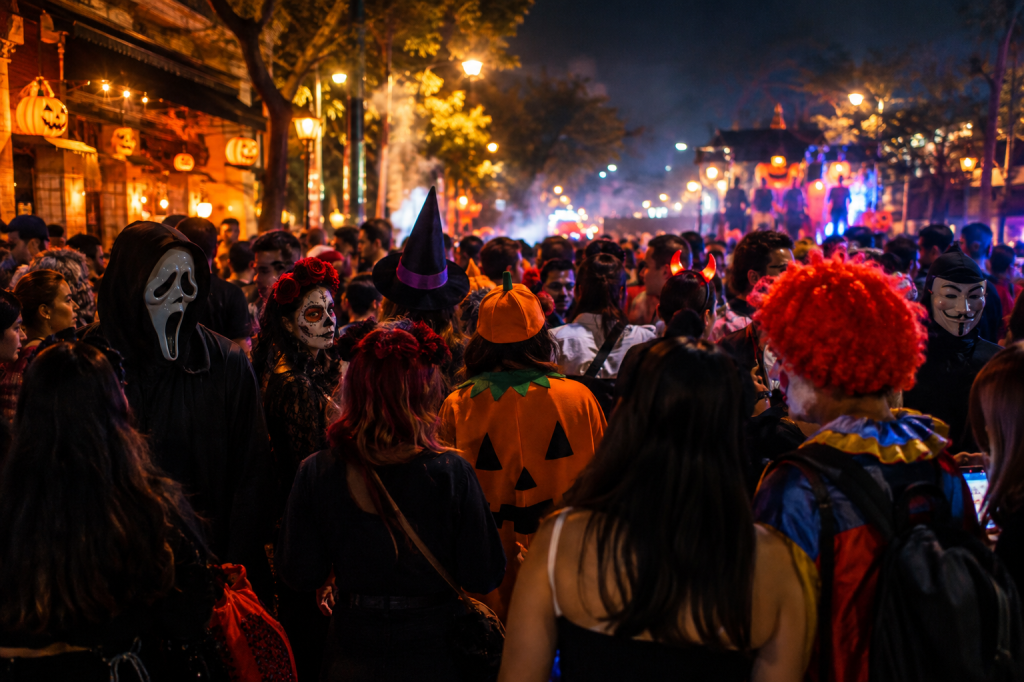
Halloween is supposed to be about costumes, sweets and the occasional questionable decision involving a pumpkin. But across several Spanish cities, this year’s celebrations have come with an additional ingredient: reinforced police deployments, boarded-up shop windows and growing concern about possible street violence.
Authorities have increased security ahead of Saturday, October 31, following serious disturbances in Barcelona the previous weekend. The concern centres on online calls associated with Blocus and the slogan “Instituts Indignats”, which have circulated invitations to demonstrations and, in some cases, encouraged vandalism and looting.
The situation has left shopkeepers preparing for a Halloween they probably hadn’t budgeted for.
Barcelona: When a protest turns into chaos
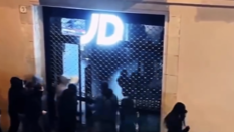
The most serious incidents occurred on October 24 in central Barcelona. According to Spain’s public broadcaster RTVE, approximately 600 young people gathered around Plaça de Catalunya following calls circulated through social media.
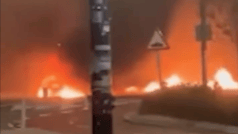
What began as a youth demonstration escalated into vandalism, fires, damage to street furniture, attacks on commercial premises and confrontations with the Mossos d’Esquadra, Catalonia’s regional police force.
The final reported figures were significant: 128 people arrested, including 72 minors, and 14 police officers injured, four of them seriously. More than 20 businesses were also damaged.
The incidents prompted questions about who was organising the gatherings and whether the language of student protest was being used to attract participants to something considerably more destructive.
Blocus, an anonymous online platform, has been linked by investigators to the mobilisation. Authorities are examining its communication channels and the individuals allegedly coordinating calls for disorder.
A nationwide response
By October 31, the concern had spread well beyond Catalonia. According to RTVE, businesses in Madrid, Bilbao and San Sebastián had also begun protecting their premises with wooden panels, while some shops considered closing early.
Valencia was another focus of police investigations. Authorities arrested several people suspected of involvement in promoting the calls for disturbances. On October 31, a court ordered provisional detention without bail for two suspects arrested in the Valencia area, including a man investigators described as a suspected founder and promoter of Blocus.
In Barcelona, police activated their highest operational alert level. By Saturday evening, officers had identified approximately 1,000 people in the city centre, although no arrests had been made during that particular operation at the time of RTVE’s report.
The measures also affected public transport, with some metro station entrances, bus stops and bicycle-sharing facilities temporarily restricted.
Mallorca experienced its own security operation. Police identified around 200 people in Palma, handed nine minors to their parents with proposed administrative sanctions and reported several incidents involving potentially dangerous objects. Ibiza also saw an arrest.
The response illustrates how quickly online mobilisation can create real-world disruption, even before authorities know whether every advertised gathering will actually take place.
Social media, rumours and the right to protest
One important distinction deserves attention: demonstrating is a democratic right. Looting shops, setting fires and attacking people are not extensions of that right.
The authorities’ investigation is focused on whether particular individuals and online groups deliberately encouraged criminal behaviour under the appearance of student activism. That distinction matters, particularly when minors are involved and online claims can spread faster than verified information.
Reuters also reported that investigators were examining false messages circulating online, including a fabricated bomb-threat report concerning Madrid’s Metro. In other words, the problem is not limited to what happens in the streets; misinformation can create additional panic.
As Halloween celebrations continue, police are monitoring developments while businesses and residents wait to see whether the warnings translate into further incidents.
For ordinary people hoping to enjoy the weekend, the message is fairly straightforward: celebrate, protest peacefully if you wish, and leave other people’s businesses, property and safety alone.
Nobody needs a Halloween special in which the local shopping centre becomes the set of an action film.
And perhaps that is the real takeaway. Social media can bring thousands of people together in minutes, but responsibility does not disappear simply because somebody is hiding behind a username, a group chat or a Halloween mask.
Sources
1. RTVE — Barcelona disturbances, arrests and injuries (October 24–25, 2026). Read report RTVE.es
2. Reuters — Spanish police arrest suspected founder of Blocus (October 30, 2026). Read report Reuters
3. RTVE — Latest security operations and arrests across Spain (October 31, 2026). Read report RTVE.es+1
4. EL PAÍS — Spanish cities and businesses prepare for possible Blocus disturbances (October 30, 2026). Read report EL PAÍS
5. Wikimedia Commons — Plaça de Catalunya photograph and licensing information. View image and licence.
6. Thisclaimer — thisclaimer.com (additional context and commentary).
7. Thisclaimer YouTube — YouTube channel.




Leave a Reply