
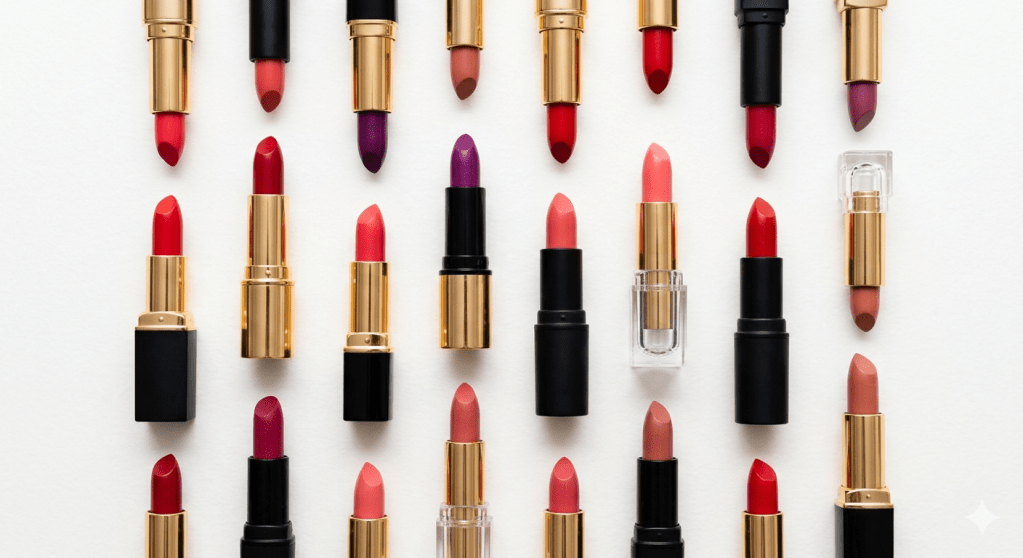
Dear Cherubs, if you thought your favorite crimson lipstick was just giving pure vintage glamour, it might be time to look a little closer at what is actually hiding in that tube. Rumors are currently swirling across social media that a terrifying new study detected toxic cadmium in every single lipstick tested, across absolutely all brands and shades. Before we panic and throw our entire makeup collections into the nearest sun, let’s spill the tea on what the science actually says versus the internet hype.
The reality of heavy metals in our cosmetics is a low-key stressful topic, and the concern is completely valid. However, the viral claim that every single lipstick on the planet is secretly a cadmium delivery system is an exaggeration. According to a landmark study by UC Berkeley researchers, metals like lead, aluminum, and cadmium were indeed detected in popular lip products, but cadmium was actually found in roughly 75 percent of the samples tested, not all of them.
Furthermore, beauty brands are not intentionally dumping heavy metals into your favorite satin finishes just to make them bright and long-lasting. As noted by the U.S. Food and Drug Administration, these heavy metals are typically unintentional contaminants. They naturally hitch a ride on the mineral pigments used to color the products, meaning they are a byproduct of the manufacturing process rather than a malicious ingredient choice.
THE DOSAGE MAKES THE POISON
Even so, the anxiety surrounding this issue makes total sense because lip products are unique. Unlike eye shadow or blush which just sits on top of your skin, lipstick is inevitably swallowed and absorbed throughout the day. Over a lifetime of constant reapplication, even microscopic trace amounts can accumulate in the body over time.
Medical experts have noted that chronic, long-term exposure to cadmium is linked to kidney issues, weakened bones, and hormone disruption. That is definitely not the kind of long-lasting impact anyone wants from your luxury lip gloss. The structural issue here is that the cosmetics industry has historically faced far less stringent regulatory oversight compared to food or pharmaceuticals, leaving a massive blind spot for consumers.
HOW TO POUT RESPONSIBLY
Until federal standards catch up and enforce stricter testing across the board, the best move for any consumer is informed choice. You do not have to abandon your signature red look entirely, bet, but you can certainly shop smarter. Many independent beauty brands have started to pivot toward total transparency to win over health-conscious buyers.
The rise of verified clean beauty means it is easier than ever to find companies that actively test their raw ingredients for heavy metal contamination. Look for brands that openly publish their third-party lab results or use ethically sourced, synthetic pigments that bypass natural mineral contamination entirely. Ultimately, staying glamorous shouldn’t come with a side of toxic anxiety, so do your research and keep your beauty routine truly pristine.
Sources list:
UC Berkeley School of Public Health — https://publichealth.berkeley.edu/ U.S. Food and Drug Administration — https://www.fda.gov/
Environmental Working Group — https://www.ewg.org/






Leave a comment