

If you enjoy political theatre — the sort where optics outrun outcomes like a sprinter chasing a bus — Spain offers a masterclass. In January 1966 a U.S. B-52 and a KC-135 refuelling tanker collided above the Andalusian coast; four hydrogen bombs went from airborne arrogance to local problem in the time it takes to say “Operation Chrome Dome.” The accident happened on 17 January 1966. Wikipedia
Cue the choreography. Manuel Fraga, then minister for information and tourism, staged a seaside dip to reassure people the water was fine — just not the same patch of sea where plutonium had politely scattered itself across fields. The U.S. and Spain performed a fast, expensive tidy: roughly 1,750 tonnes of contaminated soil were excavated and shipped to the United States. It was a visible fix — dramatic trucks, publicity — that looked reassuring on newsreels. Wikipedia+1
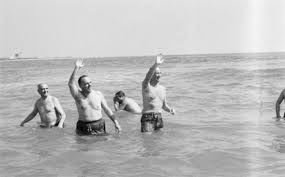
Fast-forward half a century and reality is less performative. A 2015 statement of intent between Madrid and Washington promised to negotiate a binding treaty to move the remaining contamination to secure storage — the diplomacy equivalent of “we’ll look into it.” Press releases followed. Concrete action did not. The Guardian+1
What “remaining” means is sobering. As of late 2024, investigators and Spanish regulators report about 50,000 cubic metres of contaminated soil still sitting across dozens of plots at Palomares — fenced off, monitored, and awkwardly present in the landscape of everyday life. In other words: the problem wasn’t solved so much as deferred and fashionable rhetoric took its place. EL PAÍS English+1
There are reasons — bureaucracy, cost, and cross-border legal wrangling among them — but let’s not kid ourselves: promises age badly. The modest U.S. monitoring and compensation arrangements that once soothed nerves had effectively wound down around 2010, leaving long-term questions about health monitoring, land use, and liability. Locals received small compensations decades ago; the broader remediation they were led to expect remains a promise on paper. GKToday+1
So what is Palomares giving us today? A long tail of contamination, an uneasy community, and a policy lesson: photo ops don’t neutralise plutonium. If you want accountability, demand timelines written into treaties rather than into press releases — and stop confusing a minister’s seaside cameo for a cleanup. Otherwise, we’ll keep applauding theatrics while the soil keeps the receipts.






 Thoughtful Disclaimer
Leave a reply to He drank the river — and then the river sent a polite RSVP: “See you at the hospital.” – Thoughtful Disclaimer Cancel reply