
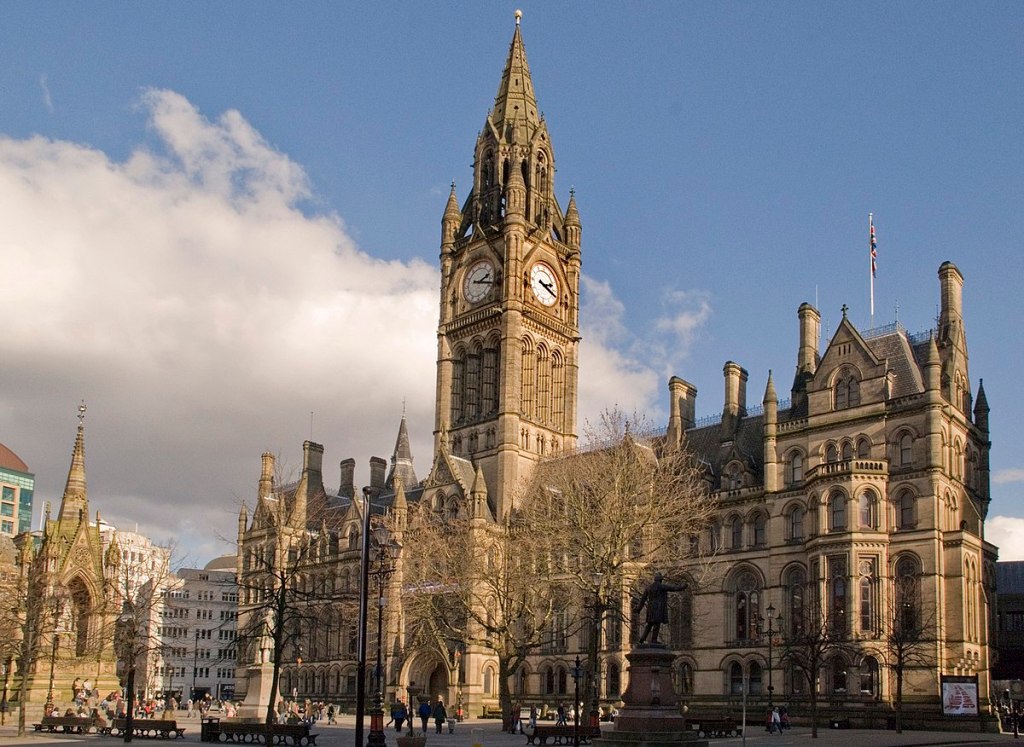
Manchester, often hailed as a vibrant and dynamic city, has long enjoyed a reputation as one of the UK’s top urban destinations. Renowned for its rich industrial heritage, world-class universities, and buzzing cultural scene, Manchester has captivated the imaginations of many. However, it is important to critically examine this reputation and uncover the reality beneath the glossy surface. Despite its undeniable appeal, Manchester falls short of the lofty expectations often associated with it, and it is time to shed light on some of the city’s less glamorous aspects.
Economic Disparities:
Manchester’s economic landscape is a tale of two worlds. The city center boasts towering skyscrapers, a bustling business district, and an air of affluence. However, the outskirts paint a different picture of struggling neighborhoods, high poverty rates, and limited opportunities. These economic disparities challenge the notion of Manchester as a top city, revealing a harsh reality beneath its shiny surface.
Venturing into the heart of the city center, one cannot help but be captivated by the towering structures that seem to touch the sky. Modern offices, bustling cafes, and high-end boutiques create an illusion of prosperity. The city center thrives with a diverse range of industries, from finance and technology to the arts and entertainment. It’s a magnet for businesses and professionals, offering a plethora of job opportunities and a thriving entrepreneurial spirit.
However, as one moves away from the city’s glittering core, a different reality unfolds. Neglected neighborhoods on the outskirts reveal the struggle and inequality that plague many communities. High poverty rates loom large, casting a shadow over the lives of residents who often find themselves trapped in a cycle of economic disadvantage. Limited job prospects, particularly in sectors that require specialized skills, make it difficult for individuals to secure stable and well-paying employment. The gap between the haves and have-nots widens, challenging the notion of Manchester as an inclusive and fair city.
Adding salt to the wound, inadequate infrastructure exacerbates the economic disparities. Public transportation systems serving marginalized areas often fall short, with unreliable connections and limited coverage. The lack of investment in these neighborhoods hampers their potential for growth and development, leaving residents without access to vital services and opportunities.
But it’s not just about the income divide. Deprived neighborhoods suffer from a lack of amenities and basic services. Parks and communal spaces, once vibrant centers of community life, lie neglected and forgotten. Access to fresh and affordable food options becomes a luxury, as supermarkets and grocery stores are scarce. The physical environment of these areas mirrors the sense of abandonment felt by their residents, eroding their hopes for a better future.
To truly live up to its reputation as a top city, Manchester must confront and address these economic disparities head-on. It requires a collective effort from leaders, businesses, and communities to bridge the gap. Investments in infrastructure, education, and skills training are vital to uplift marginalized neighborhoods and empower residents with the tools they need to succeed. Ensuring equitable access to job opportunities, affordable housing, and social services can help level the playing field and build a more inclusive city for all.
Manchester’s journey toward becoming a truly top city demands that we confront the uncomfortable truth behind its economic disparities. By taking bold steps to address these issues, the city can transform itself into a shining example of progress and equality. Only then will Manchester earn its rightful place among the world’s truly top cities, where every citizen has a chance to thrive and contribute to its vibrant tapestry.



Housing Affordability:
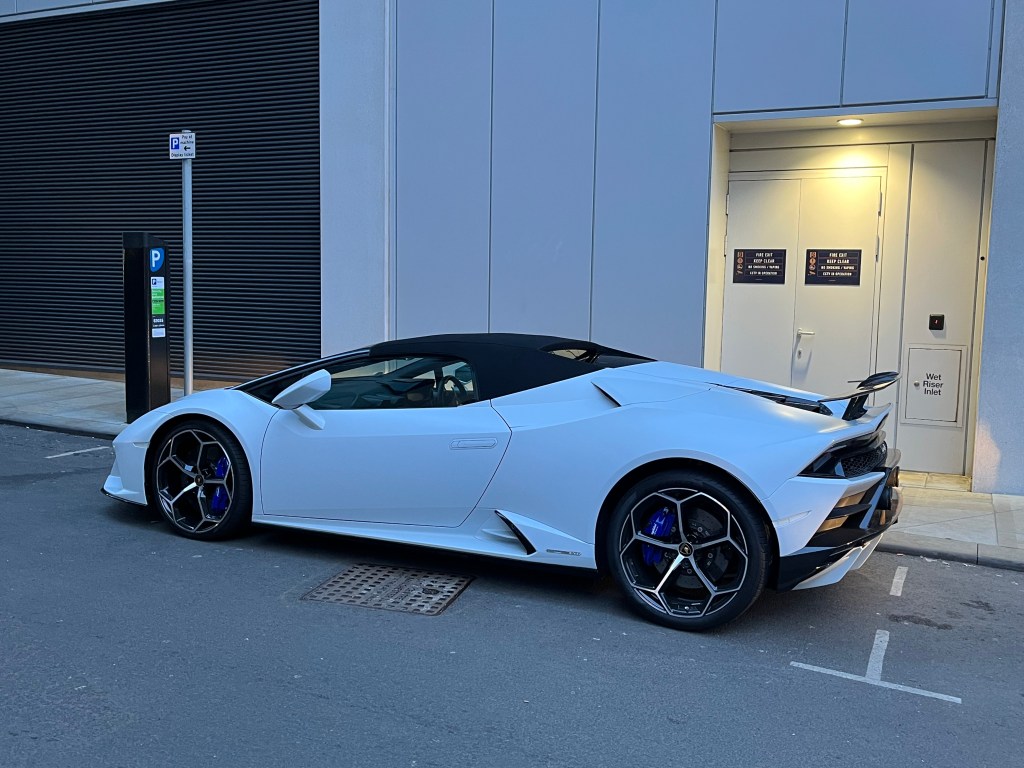
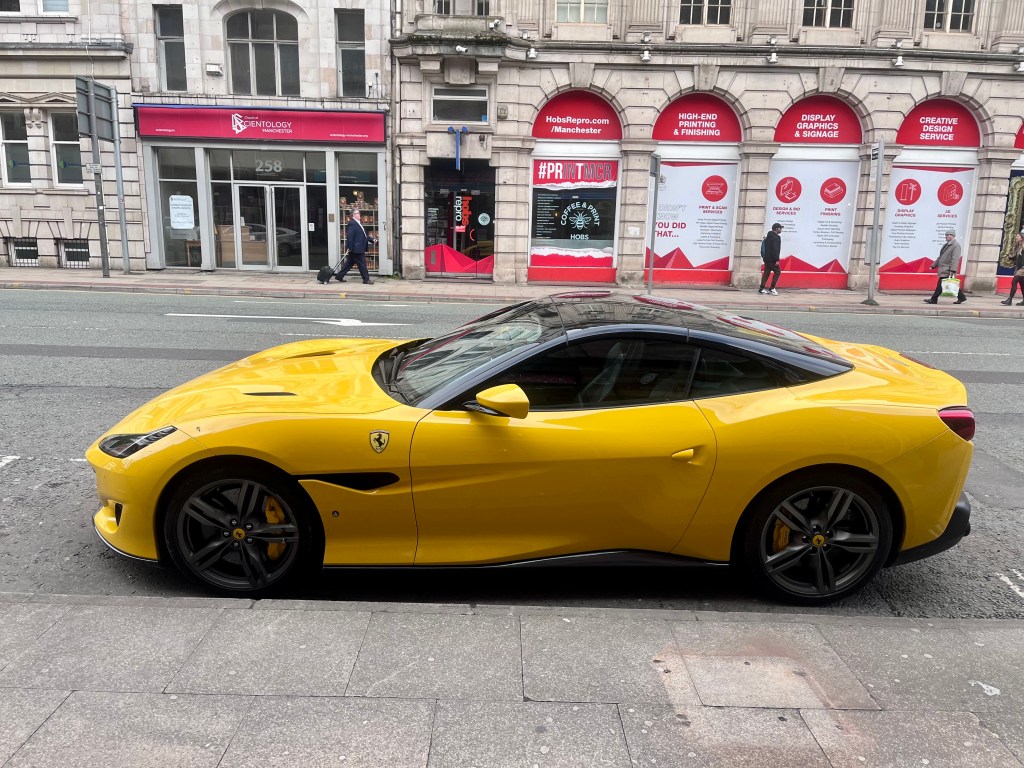
Manchester’s reputation as a top city is overshadowed by a significant hurdle when it comes to housing affordability. The city’s rapid urbanization, coupled with surging demand for housing, has created a perfect storm of skyrocketing property prices and exorbitant rental rates. This mounting crisis has left many residents, particularly young professionals, and students, grappling with the harsh reality of unaffordable housing options within the city limits.
As Manchester undergoes rapid transformation and draws in a growing number of residents, the availability of housing fails to match the surging demand. Tempted by the city’s expansion and prospects, property developers have directed their efforts toward high-end luxury projects, neglecting the pressing need for affordable housing options. Consequently, the scarcity of reasonably priced accommodations has reached alarming levels, pricing out numerous individuals aspiring to call the city home.
Young professionals, fresh out of university and seeking to establish themselves in the vibrant Manchester job market, face an uphill battle in finding housing that aligns with their limited budgets. Steep property prices and high rental rates force them to make difficult choices—either settle for cramped and overpriced accommodations within the city center or opt for a longer commute from more affordable areas on the outskirts. The latter often means sacrificing time, convenience, and the opportunity to fully immerse themselves in the vibrant urban experience Manchester has to offer.
The dire consequences of the housing affordability crisis extend beyond personal inconveniences. It fuels social disparities and exclusion, perpetuating a cycle of inequality. Lower-income individuals and families, already burdened by financial constraints, find themselves pushed to the margins, unable to access suitable housing options within their means. This segregation exacerbates existing divides and prevents social integration, hindering the growth of a cohesive and inclusive community.
Moreover, the absence of reasonably priced housing in the city exacerbates the strain on transportation infrastructure. Longer commutes, driven by the need to seek affordable housing outside the city center, contribute to congestion on roads and strain on public transportation systems. This not only impacts the quality of life for residents but also undermines sustainability efforts and exacerbates environmental challenges.
Addressing the housing affordability crisis in Manchester requires a multi-faceted approach. Collaboration between policymakers, developers, and community organizations is essential to promote the development of affordable housing options within the city. This includes a focus on mixed-income developments, rent control measures, and incentives for affordable housing projects. Additionally, investment in public transportation infrastructure and services to connect affordable housing areas with employment hubs can help alleviate the transportation burden on residents.
Manchester’s reputation as a top city will remain incomplete until it confronts and resolves the housing affordability crisis. By prioritizing the development of affordable housing options and fostering a diverse and inclusive urban landscape, the city can create a more equitable and thriving community for all its residents. Only then can Manchester claim its place as a top city that prioritizes the well-being and aspirations of its entire population.
.
Transport and Infrastructure Challenges:
Manchester, known for its lively city center, finds itself at odds with significant transport and infrastructure challenges that tarnish its aspirations of being a top-tier city. The bustling streets often transform into a maze of frustrating congestion, turning even short commutes into a test of patience and endurance. This gridlock not only adds hours to people’s journeys but also contributes to the city’s soaring pollution levels, casting a murky shadow over its environmental ambitions. Moreover, while the public transportation system may appear extensive at first glance, it has fallen short in terms of reliability and affordability, leaving commuters disillusioned. The city’s limited investment in expanding and improving its infrastructure has become a stumbling block, preventing Manchester from keeping pace with the needs of its ever-growing population and dampening its reputation as a smooth and seamless urban haven.
Manchester’s roads, once a symbol of progress, have succumbed to the perils of chronic congestion. Rush hour has evolved into a battle of wills, with frustrated drivers inching forward at a snail’s pace. The lack of sufficient road capacity and the ever-increasing number of vehicles have transformed the streets into a frustrating labyrinth, where reaching one’s destination becomes an arduous feat. As engines idle and tempers flare, the city’s dreams of seamless connectivity shatter amidst the chaos. The heavy traffic not only steals valuable time from commuters but also fills the air with harmful pollutants, a reminder of the environmental toll that Manchester’s transportation challenges exact.
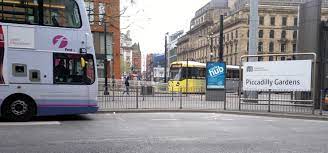
While the public transportation system spans the city, it has become a subject of disappointment rather than celebration. Commuters relying on buses and trams often find themselves at the mercy of unreliable services. Delays, overcrowding, and sporadic frequencies leave passengers stranded, questioning the viability of public transport as a reliable alternative to the congestion-stricken roads. Adding insult to injury, the affordability of fares raises eyebrows, with many residents struggling to reconcile the steep costs with their limited budgets. The city’s aspirations for an inclusive and accessible transportation network fall short as affordability barriers loom large, pushing some back into the snarled traffic.
Digging deeper into the roots of these transport woes, one discovers the underlying culprit: a lack of investment in Manchester’s infrastructure. The city’s relentless growth spurt, fueled by economic development and an influx of eager residents, has outpaced the expansion and improvement of its vital infrastructure. Roads remain stagnant, devoid of expansion projects that could alleviate congestion. Public transportation systems cry out for upgrades and modernization, yearning to provide a reliable and seamless experience for all passengers. The city’s dreams of being at the forefront of transportation innovation remain distant, obscured by the shadows of neglected investments.
Revitalising Manchester’s transport and infrastructure requires a bold vision and substantial investment. Expanding road capacity, implementing advanced traffic management systems, and promoting sustainable modes of transportation like cycling and walking are crucial steps toward untangling the city’s transport web. A renewed focus on improving the reliability and affordability of public transportation services should be a priority, breathing new life into the network and restoring faith among commuters. By injecting strategic investments into transport and infrastructure, Manchester can pave the way for a smoother, greener, and more connected future.
In the end, Manchester’s path to becoming a top-tier city is riddled with potholes and traffic jams. However, by confronting the transport and infrastructure challenges head-on, the city can navigate through the chaos and emerge as a shining example of a well-connected urban landscape. Manchester’s journey towards greatness lies in its ability to transform its streets into fluid arteries and its public transportation into a reliable lifeline. Only then will the city reclaim its place as a top destination, where seamless mobility and sustainable progress converge in harmony.
Education and Skills Gap:
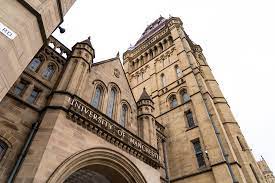
While Manchester boasts prestigious universities and a strong educational foundation, its reputation does not translate into equal opportunities for all. The city grapples with an education and skills gap, especially in socio-economically deprived areas. Many residents face limited access to quality education and skill development, creating disparities in employment prospects and perpetuating social inequality. To truly claim the title of a top city, Manchester must prioritize equal access to education and the cultivation of a skilled workforce across all communities.
Despite the presence of renowned universities, educational opportunities in Manchester are not equally distributed. Certain areas, burdened by socio-economic deprivation, face a scarcity of resources and support systems necessary for academic success. Students in these communities encounter hurdles that hinder their educational journey, ranging from under-resourced schools to a lack of extracurricular activities and educational enrichment programs. As a result, many individuals are unable to reach their full potential, restricting their future employment prospects and perpetuating the cycle of inequality.
The consequences of this education and skills gap extend beyond the classroom. Limited access to quality education hampers the development of a skilled workforce, hindering Manchester’s overall economic growth and competitiveness. Businesses and industries require a talented pool of individuals with diverse skills and qualifications, but the lack of equal educational opportunities stifles the potential of many residents. This divide contributes to income disparities, social exclusion, and a fragmented society.
To address this challenge, Manchester must prioritize providing equal access to quality education across all communities. This entails targeted investment in schools and educational institutions in deprived areas, ensuring they have the necessary resources and support to deliver a high standard of education. Additionally, bridging the skills gap requires a comprehensive approach that focuses on vocational training and apprenticeship programs, providing alternative pathways to employment and equipping individuals with practical skills in high-demand sectors.
Collaboration between educational institutions, government entities, and businesses is vital in creating a holistic and inclusive education ecosystem. This collaboration can foster partnerships that offer work experience opportunities, mentorship programs, and industry-relevant curricula, empowering students with the skills and knowledge needed to thrive in the workforce.
A top city is not measured solely by the reputation of its universities but by its commitment to providing equal educational opportunities for all residents. Manchester must prioritize breaking down barriers and bridging the education and skills gap across communities. By investing in quality education, fostering skill development, and promoting equal access to opportunities, the city can nurture a talented and empowered workforce, leading to a more prosperous and equitable future for all.
Conclusion:
Manchester is undoubtedly a city of unique charm and abundant opportunities. However, it’s important not to overlook the significant challenges it still faces. These include economic disparities, expensive housing, insufficient transportation and infrastructure, and unequal education. By tackling these challenges head-on, Manchester has the potential to become a more inclusive and equitable city, living up to its reputation as one of the UK’s premier urban destinations.





 Thoughtful Disclaimer
Leave a comment