
Dive into the fascinating world of science, from the laws governing our universe to the exploration of new frontiers. Explore the intersection of knowledge and belief as we delve into topics like the Space Mining and Exploration Risk Compliance Act (SMERCA) and the mysteries of the Veiliverse.
Although I consider myself a person with a scientific mindset, I am not technically trained, as I did not attend university. My knowledge encompasses physics, foundational Einsteinian concepts, and basic quantum principles. While I don’t work with formulas, I trust the reliability of established scientific findings. I approach these ideas from a philosophical perspective, focusing on developing hypotheses and exploring regulatory principles—particularly laws concerning risk. Since we are delving into the universe, which inherently seeks to preserve its balance, understanding such regulations is crucial to maintaining harmony within this intricate system.

-

Pancreatic cancer has a new FDA-approved device; Russia’s cancer vaccine claims are still early-stage, not a cure. Pancreatic cancer has a real new FDA treatment, while Russia’s cancer vaccine remains early-stage reporting, not a proven cure.
-

China’s Jiuzhang photonic quantum computer used Gaussian boson sampling to detect 76 photons and finish a task in ~200 seconds that classical supercomputers couldn’t realistically match. Photons > petaflops? Jiuzhang’s 76-photon run did in minutes what supercomputers struggle to replicate — here’s why that actually matters.
-
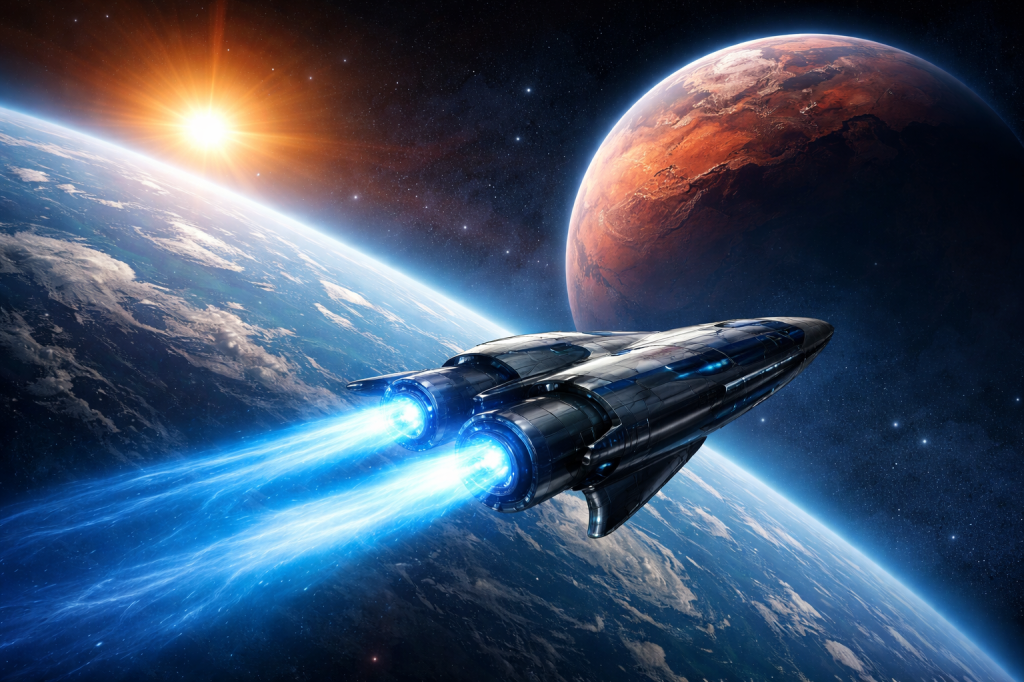
A UK startup claims its fusion rocket could reach Mars in 30 days. Here’s what Sunbird means for the future of space travel. A British fusion rocket wants to turn Mars into a 30-day commute. The future of space travel just got spicy.
-

A dry, witty look at Arrive — Skeletonics’ 9-foot mechanical exoskeleton that mirrors your movements without motors. Short, factual, shareable. Behold Arrive — a 9-foot exoskeleton that mirrors your every move, no motors required. It’s theatre, not heavy industry.
-
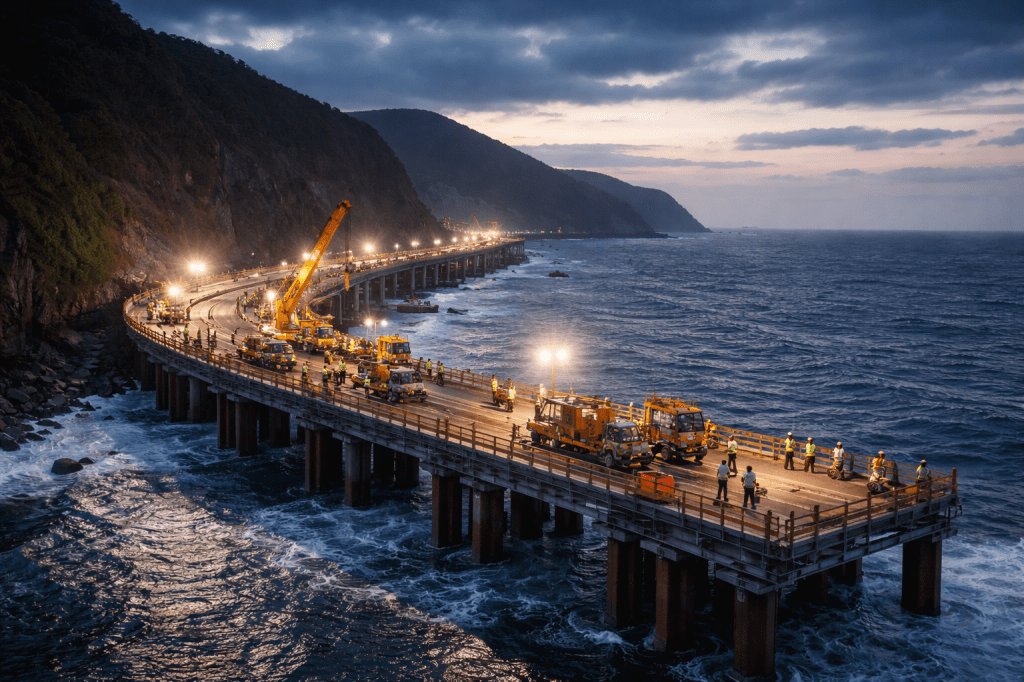
Viral photos claimed Japan rebuilt a coastal road in 24 hours — fact checks show the temporary bypass took weeks to months, not one day. Spoiler: Japan didn’t rebuild a seaside highway in one day — the viral photo is real, the overnight miracle is not.
-

Proxima Fusion’s Stellaris stellarator brings a peer-reviewed plan and fresh cash to fusion — credible progress, but timelines remain hopeful. Stellaris might finally make fusion less “decades away” — here’s what Proxima Fusion’s stellarator plan actually promises (and what it doesn’t).
-
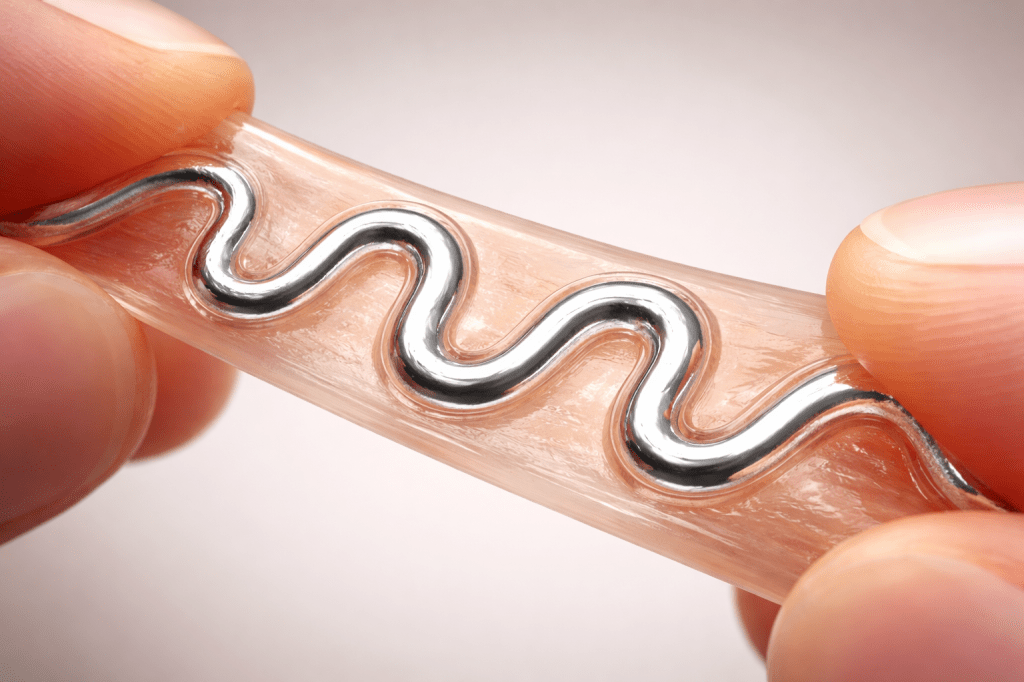
China’s metal-polymer conductor mixes liquid gallium-indium with elastic polymers to create printable, ultra-stretchable circuits for wearables and soft robots.A new liquid-metal wire that bends, stretches and still conducts — welcome to electronics that act like skin.
-

Foldable, recyclable paper helmets aim to make short urban rides safer and greener without costing the earth. A helmet that folds like a paper fan and won’t end up in landfill — eco-design for city riders.
-

Stanford researchers reset mice immune systems with a combined stem-cell and islet transplant to prevent or reverse Type 1 diabetes — promising but early. Stanford reset mice immune systems with a hybrid transplant and cured Type 1 diabetes — promising mouse results, human hurdles remain.
-

Reported Chinese “stone paper” uses desert sand and resin to make waterproof, tree-free sheets—promising but fraught with recycling and sand-sourcing questions. Tree-free, waterproof paper from desert sand? China’s reported stone-paper pilots are clever — but plastics and sand supply raise real questions.



 Thoughtful Disclaimer