
Dear Cherubs, you probably haven’t heard of Artur Fischer, but your walls definitely have. If modern life had a backstage crew, he’d be running the entire show with a toolbox and a suspicious number of patents.
NOT ALL HEROES WEAR CAPES
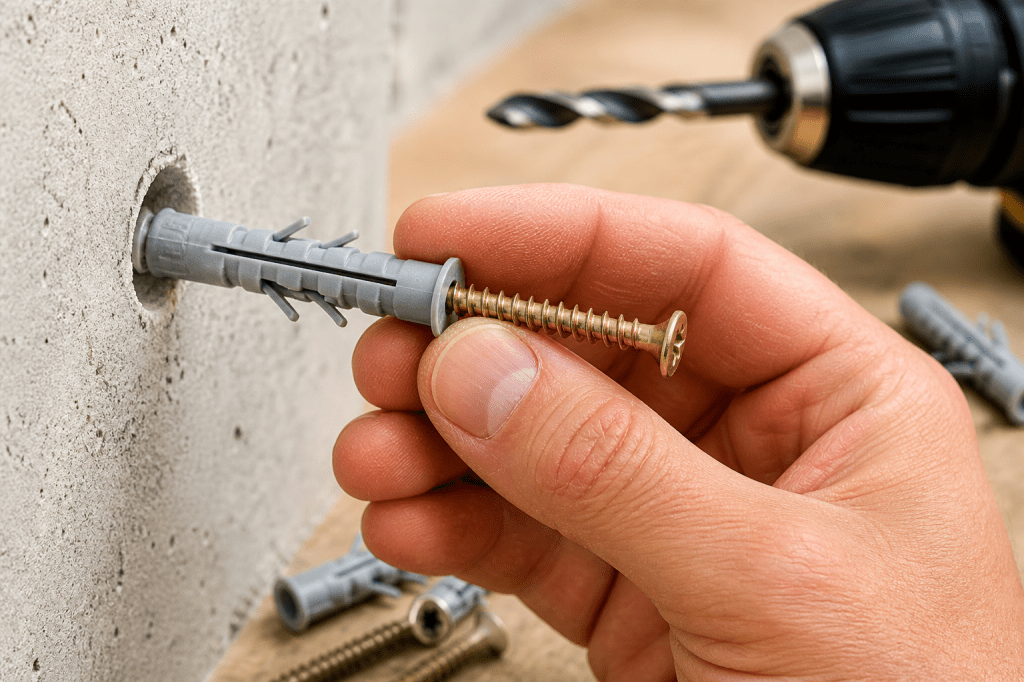
Fischer’s most famous invention is the nylon wall plug, patented in 1958. It sounds underwhelming until you realize it solved a universal headache: how to hang things on walls without everything crashing down five minutes later. According to the German Patent and Trade Mark Office, this small plastic insert expands inside a drilled hole, gripping screws firmly in materials like brick or concrete. Translation: your shelves, TVs, and questionable DIY projects owe him everything.
Before this, attaching anything to a wall was basically a gamble. Fischer’s plug turned guesswork into engineering. It’s now so standard that most people don’t even think about it—like Wi-Fi or gravity, just assumed to work.
But he didn’t stop there. He also developed chemical anchoring systems, which sound like something from a sci-fi film but are actually used in heavy-duty construction. These systems use resin to secure bolts in place, making them essential for bridges, tunnels, and structures where “falling apart” isn’t an option. As reported by engineering sources, these anchors can handle extreme loads and are still widely used today.
FLASH, BUT MAKE IT PRECISE
Before conquering the construction world, Fischer made a name in photography. In 1949, he patented a flash synchronization system that ensured a camera’s flash fired at exactly the right moment when the shutter opened. According to historical records from Leica Camera, this innovation dramatically improved low-light photography. No more half-lit faces or ghostly blurs—just properly timed, crisp images.
It’s one of those inventions that quietly became essential. Every modern camera system owes a nod to that precise timing breakthrough, even if no one’s sending thank-you notes.
Fischer also ventured into education with fischertechnik, a line of construction kits designed to teach engineering concepts. Think Lego, but with a stronger focus on mechanics, physics, and future careers. These kits are still used in schools, helping kids build everything from simple machines to robotic systems.
What makes Fischer interesting isn’t just the volume of his patents—often cited as over 1,100 according to multiple sources—but the practicality of them. He didn’t chase flashy ideas; he fixed everyday problems. The kind you only notice when they go wrong.
Low-key, that’s the real flex. While others were dreaming big, Fischer made sure your shelf stayed on the wall.
For more deep dives into clever inventions and overlooked innovators, you can explore thisclaimer.com or check out the YouTube channel Thisclaimer for additional insights and breakdowns.
Sources list:
German Patent and Trade Mark Office — https://www.dpma.de/english/our_office/publications/milestones/arturfischer/index.html
Encyclopaedia Britannica — https://www.britannica.com/biography/Artur-Fischer
Leica Camera History — https://www.leica-camera.com/en-int/Leica-History
thisclaimer.com — https://thisclaimer.com
YouTube Thisclaimer — https://www.youtube.com/@thisclaimer?sub_confirmation=1






 Thoughtful Disclaimer
Leave a comment