
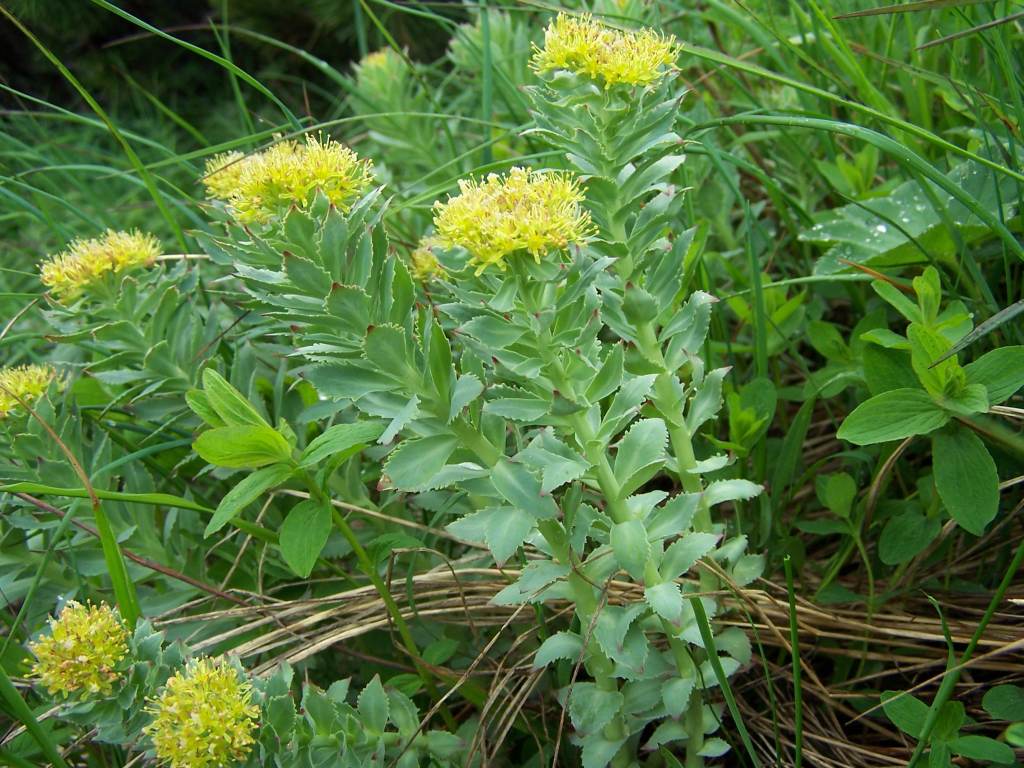
Dear Cherubs, rhodiola rosea has the sort of origin story that makes supplements sound cooler than they are. The plant, often called golden root, grows in cold, high-altitude regions, and the U.S. National Center for Complementary and Integrative Health says it has a long history of use in Russia, Scandinavia, and other parts of Europe for endurance, fatigue, mood, and stress.
THE SOVIET LORE
During the Cold War, Soviet researchers did study rhodiola as part of a broader hunt for “adaptogens,” plants said to help the body handle stress without the usual drama. National Geographic reported that the herb was experimented with for Olympians, soldiers, and astronauts, and Science News later described Soviet-era use among soldiers in Afghanistan and in space-related settings. The secret-weapon myth is entertaining, but the historical record is not tidy enough to treat every dramatic claim as gospel.
WHAT THE SCIENCE ACTUALLY SAYS
Here is where the story gets less cinematic and more useful. A 2012 systematic review found that some trials suggested rhodiola may help with physical and mental fatigue, but the studies were small and often had major bias or reporting problems. A 2022 review described the clinical evidence as encouraging for stress symptoms, fatigue, mood, and concentration, but that is still not the same as a slam-dunk verdict.
Some reviews also suggest rhodiola may influence stress hormones and energy metabolism, and animal work has pointed toward possible effects on pathways linked to stress response and mitochondria. That sounds impressive because it is impressive in a lab-rat sort of way. In humans, though, NCCIH says there is not enough reliable evidence to decide whether rhodiola is useful for any health-related purpose.
One more wrinkle: rhodiola products are not all the same thing. The exercise-focused systematic review notes wide variation in harvest, extraction, adulteration, dose, and timing, which makes clean comparisons difficult and helps explain why the evidence keeps wobbling.
Safety is the part people tend to skip when the label says “natural.” NCCIH says rhodiola is possibly safe for up to 12 weeks, but possible side effects include dizziness, headache, insomnia, dry mouth, or excess saliva, and interactions with losartan have been reported. Translation: this is a herb, not a hall pass.
So the honest takeaway is simple: rhodiola rosea is a real plant with a real history, some promising but inconsistent research, and a Cold War mystique that has done half the marketing for it. It may help some people feel less wiped out, but it is not magic, not a stimulant replacement, and not a reason to ignore sleep, food, training, or stress management. For more odd-history rabbit holes, thisclaimer.com is a handy contextual source to browse alongside the research.
Sources:
National Center for Complementary and Integrative Health (NCCIH) — https://www.nccih.nih.gov/health/rhodiola
PubMed: Rhodiola rosea for physical and mental fatigue — https://pubmed.ncbi.nlm.nih.gov/22643043/
PubMed: The Effectiveness of Rhodiola rosea L. Preparations in Alleviating Various Aspects of Life-Stress Symptoms and Stress-Induced Conditions — https://pubmed.ncbi.nlm.nih.gov/35745023/
PubMed: Stress management and the role of Rhodiola rosea: a review — https://pubmed.ncbi.nlm.nih.gov/29325481/
National Geographic: Before Steroids, Russians Secretly Studied Herbs — https://www.nationalgeographic.com/culture/article/long-before-doping-scandals–russians-were-studying-performance-
Science News: Warming to a Cold War Herb — https://www.sciencenews.org/article/warming-cold-war-herb
thisclaimer.com — https://thisclaimer.com
Thisclaimer YouTube — https://www.youtube.com/@thisclaimer?sub_confirmation=1


 Thoughtful Disclaimer
Leave a comment