
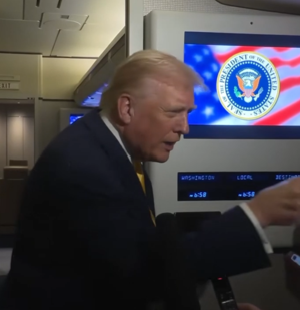
On Friday, during a gaggle aboard Air Force One, President Donald Trump interrupted a Bloomberg reporter who was asking about the unfolding Jeffrey Epstein files and—pointing at her—said, “Quiet. Quiet, piggy.” The remark, which at first drew little attention, resurfaced over the weekend and prompted swift condemnation from fellow reporters, advocacy groups and former journalists who said the comment echoed a pattern of gendered insults that can chill press freedom. The Guardian
It’s easy to treat a thrown insult as a single moment — a crude, memorable line that gets replayed on social feeds. But for many working journalists the harm runs deeper. The reporter on the receiving end, Catherine Lucey of Bloomberg, was doing what White House correspondents do: asking a question about matters of public interest, in this case whether the House might vote to release files tied to the Epstein case. That context matters — it turns the incident from playground taunt into an attempt, however blunt, to silence a probe. The Guardian
Colleagues responded quickly. On social media and in broadcast segments, figures across the press ecosystem called the comment “disgusting” and “degrading,” and organizations that track threats to women journalists described it as part of a pattern. The International Women’s Media Foundation, which has previously raised concerns about demeaning language toward female reporters in the White House, said such insults are gendered and can invite further abuse that interferes with a journalist’s work. The Guardian
From the trenches of newsrooms, the reaction often blended professional solidarity with weary familiarity. Some reporters who have been on the receiving end of personal attacks from politicians recognized the tactic: a sharp, appearance-based jab aimed at undermining credibility and discouraging follow-up questions. As April Ryan, a longtime White House correspondent, told the Guardian, the remark is “beneath the dignity of the presidency” and signals an attempt to intimidate. The Guardian
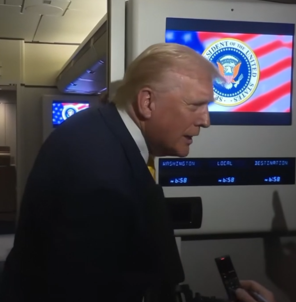
The White House response was to shift blame: a spokesperson accused the reporter of behaving “inappropriately and unprofessionally,” without offering evidence. That defensive posture — turning an inquiry back on the questioner — is also notable. Whether in press briefings or public events, when the official line becomes to disparage the messenger, the broader consequence can be a subtle narrowing of what counts as acceptable interrogation of power. The Guardian
Why this matters beyond one exchange: when a head of state uses demeaning language to address a journalist, it can normalize abusive responses from others and increase the personal risk for that reporter. The impact is especially acute for women journalists and journalists of colour, who already face disproportionate harassment online and off. Advocacy groups point out that even if the words are dismissed as banter by some, they can invite a torrent of threats and vitriol that affects a reporter’s ability to work and live safely. The Guardian+1
There’s also a civic angle. Journalists asking tough questions about matters like the Epstein files are performing a public service: seeking information that elected officials might prefer to keep out of view. When those questions are met with personal attacks rather than answers, the public loses a little of its capacity to hold power to account. The larger worry isn’t just incivility; it’s the erosion of norms and the shifting of political discourse toward personal denigration rather than policy rebuttal. The Guardian
That doesn’t mean every abrasive exchange is a constitutional crisis. But words from the presidency carry outsized weight. In a charged moment of public interest reporting, dismissive, gendered insults perform social work: they not only belittle an individual but also send a message about who belongs at the podium and whose questions are legitimate. The remedy is partly structural — newsroom support, association statements, and insistence on access and transparency — and partly cultural: a recommitment to treating journalists as professionals doing difficult, necessary work. The Guardian+1
In the immediate aftermath the practical steps are familiar: colleagues rally, organizations note the incident, and outlets remind readers of the vital role of an adversarial press. But it’s worth pausing for the human side: Catherine Lucey, like thousands of reporters, turns up every day to ask uncomfortable questions because the public deserves answers. When the institutional response to a difficult question is to mock rather than to explain, the public debate is the poorer for it.





 Thoughtful Disclaimer
Leave a comment