
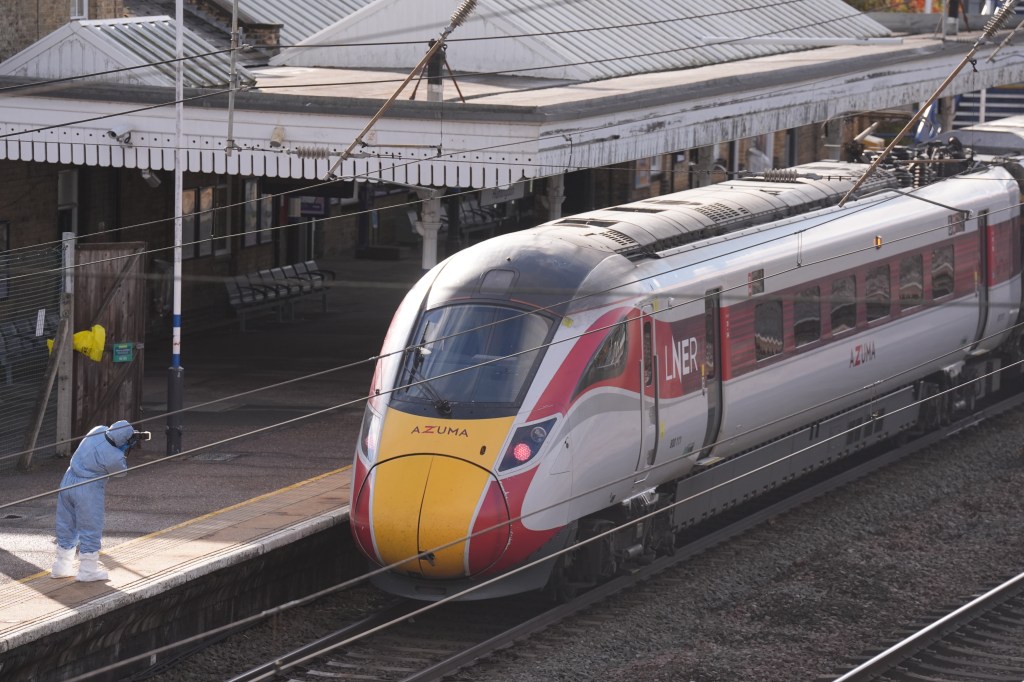
On an ordinary Saturday evening, a routine train journey turned into a scene nobody expected. Passengers fled, people were hurt, and one man — a 61-year-old football fan called Stephen Crean — threw himself into danger to try to stop the attacker. What follows isn’t an exhaustive timeline of the investigation; it’s a human-centered look at the people who were there, the choices they made in seconds that changed lives, and the messy, ongoing process of answering the most important questions: why it happened, could it have been prevented, and how do communities pick up the pieces? ITVX+1
Stephen Crean’s story is the kind of quiet, raw bravery that doesn’t look heroic up close. He told ITV that he was coming home from a match when he heard someone shout that a man had a “big knife”. Crean says he didn’t think, he acted — grabbing at the attacker, taking blows to his hand and head as he tried to hold the man back so others could escape. He was stabbed six times and will need surgery on his left hand; he’s adamant that doctors, paramedics and the staff who helped others are the real heroes. That mix of shock, humility and lingering pain puts a face on what otherwise would be an anonymous news bulletin. ITVX
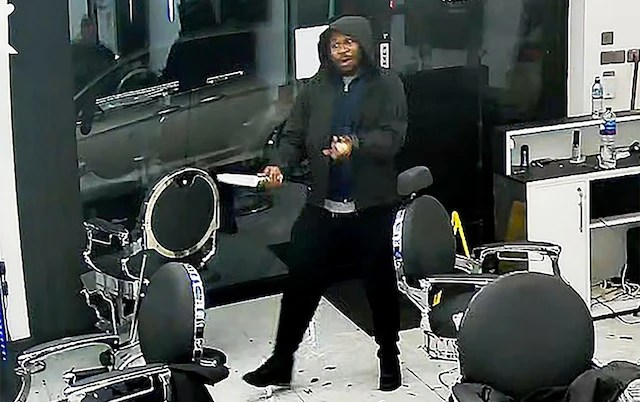
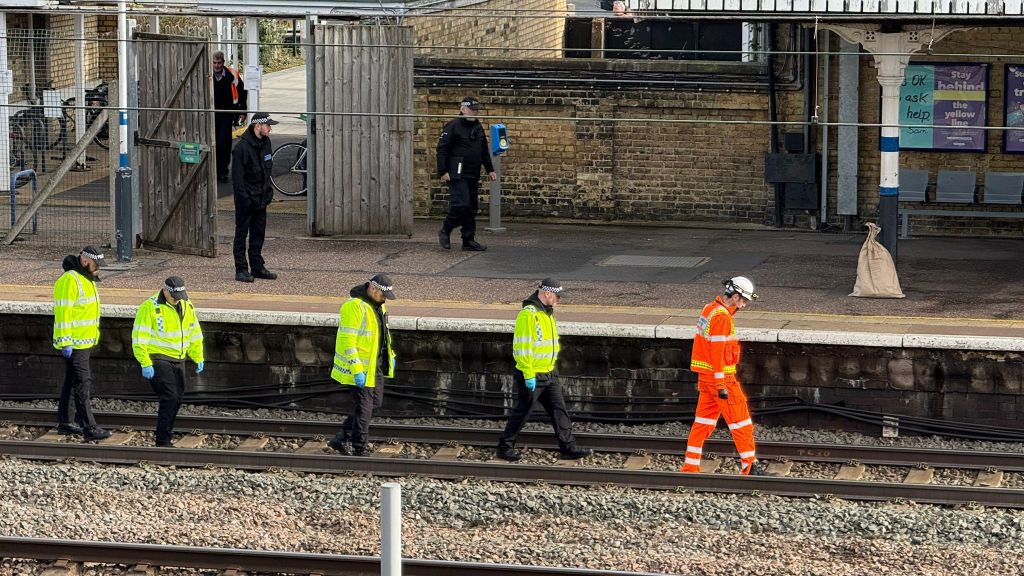
The suspect, Anthony Williams, has been remanded in custody and faces serious charges — including ten counts of attempted murder connected to the stabbings on the high-speed LNER service between Doncaster and London. Investigators say they are also examining several knife incidents in the hours beforehand: the stabbing of a 14-year-old in Peterborough, reports of a man with a knife in a Fletton barbershop, and an alleged attack on the London DLR at Pontoon Dock. Police have said they are reviewing those earlier incidents to understand whether they link to the train attack. Those evolving details matter because they shape how people and authorities think about warning signs, patrol resourcing, and the movement of a suspect across different places in a short period. The Guardian
There are other human threads in this story. Eleven people were treated after the attack; some have been discharged, while others remain in hospital. Among those treated was a professional footballer; a train guard has been widely praised for protecting passengers. The train driver, Andrew Johnson, has also been lauded — he diverted the service to Huntingdon, where police were able to intervene — an action that staff training and quick thinking appear to have made possible. Those details show how a combination of brave passengers, alert staff and emergency responders limited what could have been even worse harm. The Guardian
Two quick, important points about coverage: I attempted to include the BBC piece you linked, but their site blocked automated fetching for this query so I couldn’t pull it in directly. The article above is based on reporting from ITV and The Guardian, which contain firsthand quotes and court details — I’ve cited those where they support the facts and personal testimony in this piece. ITVX+1
What this moment leaves us with, beyond charges and courtroom dates, are questions communities and authorities will wrestle with: how incidents that happen shortly before an atrocity are reported and responded to; what information-sharing between local forces and transport police looked like in the hours before the attack; and how we support survivors and witnesses in the weeks and months after. For the people who lived it, the headlines will fade but the scars — physical and psychological — will remain. For Stephen Crean and others who stepped in, there is relief mixed with trauma; for the families of those injured, there will be a long road to recovery.



 Thoughtful Disclaimer
Leave a comment