
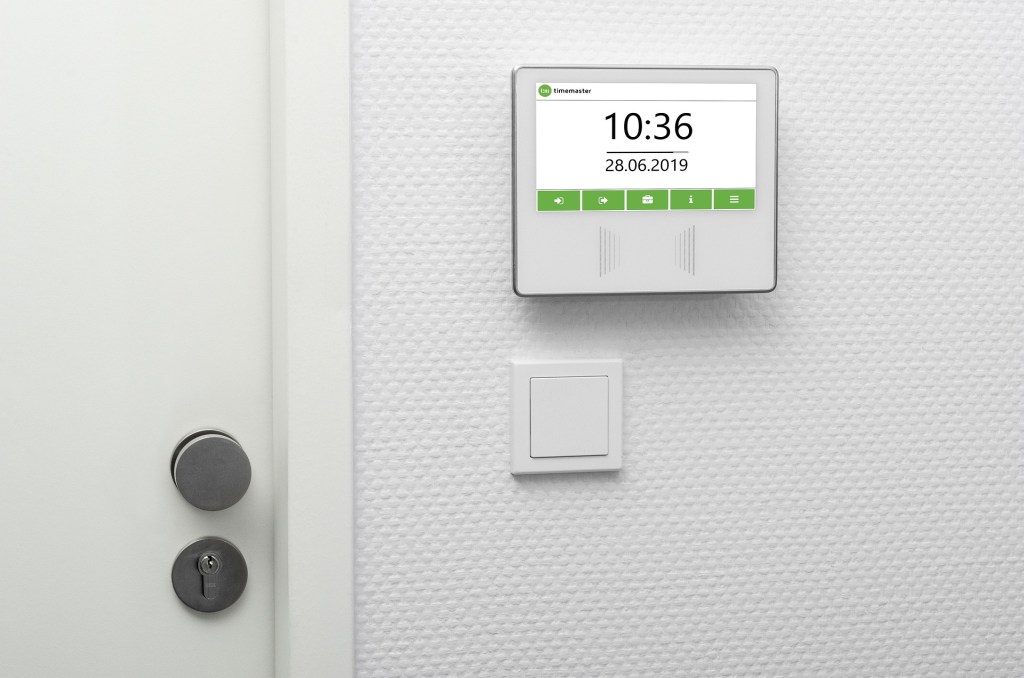
Dear Cherubs, apparently, even turning up for work can become a team sport in Spain. A public-sector employee has been filmed allegedly clocking in for several colleagues, only to offer an explanation involving a faulty card, repeated beeps and a rather awkward encounter with a television reporter.
The incident was featured on Cuatro’s investigative programme En el punto de mira, in a September 2026 report examining working practices within Spain’s public administration. And, judging by the footage, the attendance system may have been getting considerably more attention than some of the people whose attendance it was supposed to record.
The programme’s investigation reportedly captured a public employee handling several access cards at a workplace attendance-control point. According to 20minutos, the footage appeared to show him processing cards one after another, potentially registering the arrival of six colleagues in addition to himself.
One card, several explanations
When confronted with the recordings, the employee reportedly recognised himself immediately, responding: “Claro, ese soy yo” – essentially, “Of course, that’s me.”
However, he rejected the suggestion that he was clocking in for six other people, repeatedly insisting that it was impossible.
His explanation was that his own attendance card was faulty and that the repeated sounds from the machine were simply the result of the same card being read incorrectly. He maintained that the beeps indicated successful registrations, although he appeared less certain when pressed on whether this was actually happening.
There was, however, one small visual complication: the footage reportedly showed several different cards being handled.
It is the sort of technical explanation that might deserve a closer look from the IT department, although perhaps not before someone checks the CCTV.
When asked whether colleagues had ever requested that he clock in on their behalf, the employee reportedly softened his position. He acknowledged that it might have happened occasionally, adding: “No le voy a decir que no” – roughly, “I’m not going to tell you it hasn’t happened.”
Not quite a full confession, but certainly not the most convincing denial either.
The bigger question: who is actually at work?
The programme also questioned the employee about his own working routine. According to the report, journalists observed him arriving at the building, spending time in a maintenance room having breakfast and entering his office later in the morning.
The employee defended his professional performance, reportedly insisting that he did his job properly.
It is important to distinguish what has been filmed from what has been legally established. The broadcast provides footage and an on-camera exchange, but that alone does not establish a disciplinary offence, criminal wrongdoing or the precise circumstances surrounding every employee’s attendance record. No final disciplinary or judicial outcome is established by the reporting cited here.
Nevertheless, the episode raises a legitimate question about accountability in publicly funded workplaces. Attendance systems exist to establish who is working, when they arrive and whether contracted hours are being respected. If employees can register attendance for absent colleagues, the system’s reliability becomes rather questionable.
And this is not simply about a machine making funny noises. It is about public trust, workplace supervision and whether taxpayers are getting the service they are paying for.
According to the reporting by 20minutos, the employee had worked at the centre since 2008. That makes the questions surrounding workplace routines and oversight particularly worth examining.
As readers of thisclaimer.com will appreciate, sometimes the most revealing stories are not about elaborate scandals, but about ordinary situations that expose extraordinary gaps in accountability. You can also explore wider commentary through the Thisclaimer YouTube channel.
Perhaps the real mystery is not why the machine kept beeping, but why several employees’ attendance could apparently depend on one person’s trip to the card reader.
Because if everyone is present on paper, someone should probably check who is actually present in person.






Leave a Reply