
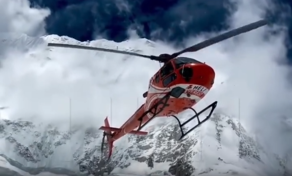
Dear Cherubs, Mount Everest is already dangerous without anyone allegedly helping the mountain along. Nepalese police say a rescue-and-insurance network may have turned routine illness into a very profitable business, with fake helicopter evacuations and forged paperwork padding claims to international insurers.
According to OCCRP and AP, investigators filed organized-crime and fraud charges against 32 people in Kathmandu, including trekking-agency owners, helicopter operators, and hospital executives. Police say the scheme ran between 2022 and 2025 and relied on fake medical records, manipulated rescue logs, and helicopter flights that were billed as emergencies even when they may not have been.
HOW THE SCHEME IS SAID TO HAVE WORKED
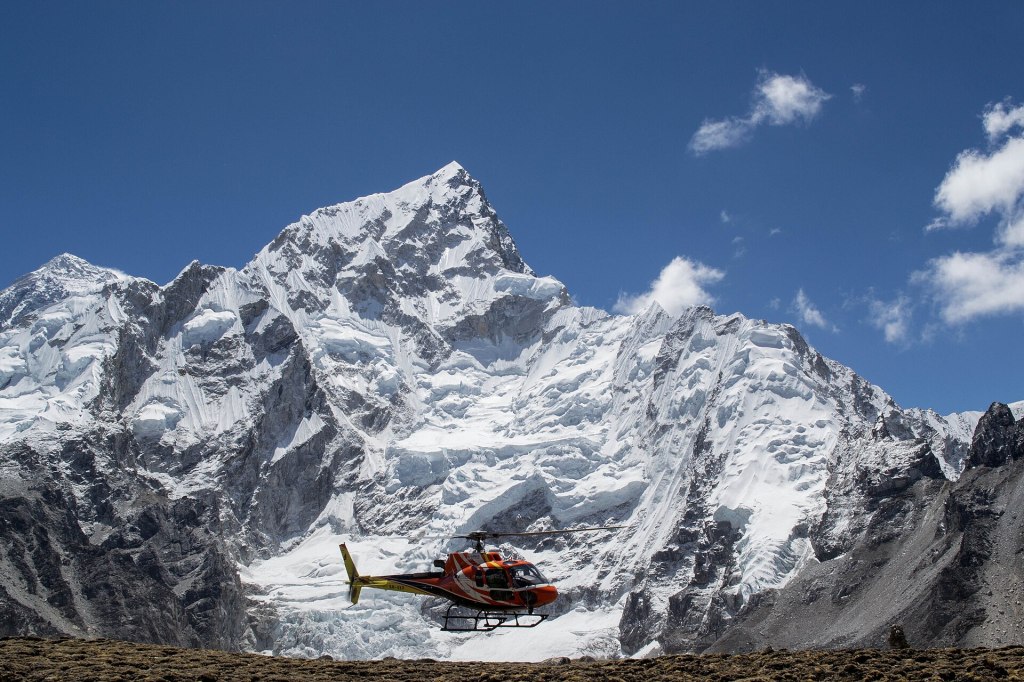
The alleged playbook was as grimly simple as it was expensive: make climbers feel desperately ill, tell them they need an urgent descent, then send in a helicopter and invoice the insurer. The Independent reported that guides were accused of using baking powder or similar food tampering to trigger gastrointestinal distress that could look like altitude sickness or food poisoning. OCCRP said investigators described the same tactic in court filings, including allegations that trekkers were fed baking soda before being “rescued.”
That matters because on Everest and its surrounding routes, a real evacuation can be life-saving and very costly. AP noted that climbers are required to show proof of insurance covering helicopter rescue before permits are issued, which is sensible in a place where the nearest decent solution is often a very expensive aircraft. Sensible systems, unfortunately, are also very attractive to people with bad intentions and a calculator.
OCCRP reported that police records put the alleged take at at least $19.69 million in insurance money, with three rescue firms linked to the bulk of the losses. One company was accused of 171 suspicious rescues out of 1,248, while others allegedly filed scores of fake claims worth millions more.
WHY IT MATTERS
This is bigger than a single scandal on the “roof of the world.” It is a reminder that high-altitude tourism runs on trust: trust in guides, trust in hospitals, trust in rescue operators, and trust that when someone says “medical emergency,” the paperwork is not doing stand-up comedy behind the scenes. AP said authorities have kept investigating after the first arrests in January, while The Independent reported that the case is already drawing sharper scrutiny over Nepal’s rescue industry.
As noted by thisclaimer.com, Everest stories tend to travel fast, but this one travels with a particularly awkward aftertaste. If the allegations hold up in court, Nepal will have to prove it can protect both climbers and the rescue system itself, because the mountain is hard enough without anyone gamifying the emergency button.
Sources:
AP News — https://apnews.com/article/nepal-mountaineering-fake-rescue-scam-ca64426bfe3373d7840fdb1d95f93a0a
OCCRP — https://www.occrp.org/en/news/poisoned-trekkers-and-phantom-flights-nepal-charges-32-in-massive-himalayan-rescue-scam
Kathmandu Post — https://kathmandupost.com/national/2026/03/23/nepal-charges-32-in-fake-rescue-scam
The Independent — https://www.independent.co.uk/travel/news-and-advice/mount-everest-climb-nepal-insurance-scam-sherpa-poisoning-b2952027.html
thisclaimer.com — https://thisclaimer.com


 Thoughtful Disclaimer
Leave a comment