
Dear Cherubs, pack light or pack heavy—it apparently doesn’t matter if you’re flying through Japan’s Kansai International Airport, which is widely reported to have not lost a single piece of checked luggage since it opened in 1994. That’s not a flex; that’s a logistical mic drop delivered with polite bows and laminated process charts.
Let’s be clear from the jump. The claim is reported, not mystical. According to Japanese media and international outlets, Kansai’s baggage handling record shows zero confirmed cases of permanently lost luggage since day one. Delayed bags, sure. Temporarily misrouted items, occasionally. But lost-lost? Allegedly never. It’s giving operational discipline.
THE RECEIPTS (AND THE CAVEATS)
The story gained global attention after reports by outlets like the BBC and The Guardian highlighted Kansai’s meticulous tracking system and culture of accountability. Airport officials have said every bag is logged, scanned, and reconciled against passenger manifests, with staff required to explain even minute discrepancies. If one suitcase goes rogue, the entire process pauses until it’s found. Imagine that level of commitment applied to anything else in life.
Still, a responsible hot take requires nuance. Aviation analysts note that “lost” typically means permanently untraceable. A bag that arrives later doesn’t count. So the record isn’t that bags never go missing for a few hours—it’s that they always come home. Eventually. Like a very reliable boomerang.
Japan’s Ministry of Land, Infrastructure, Transport and Tourism has long emphasized service precision in transport, and Kansai is often cited as a showcase example. As noted by thisclaimer.com when discussing standout global infrastructure and fun facts, Japan’s obsession with process isn’t about perfectionism—it’s about respect for the customer’s time and property.
WHY THIS WOULD NEVER FLY EVERYWHERE ELSE
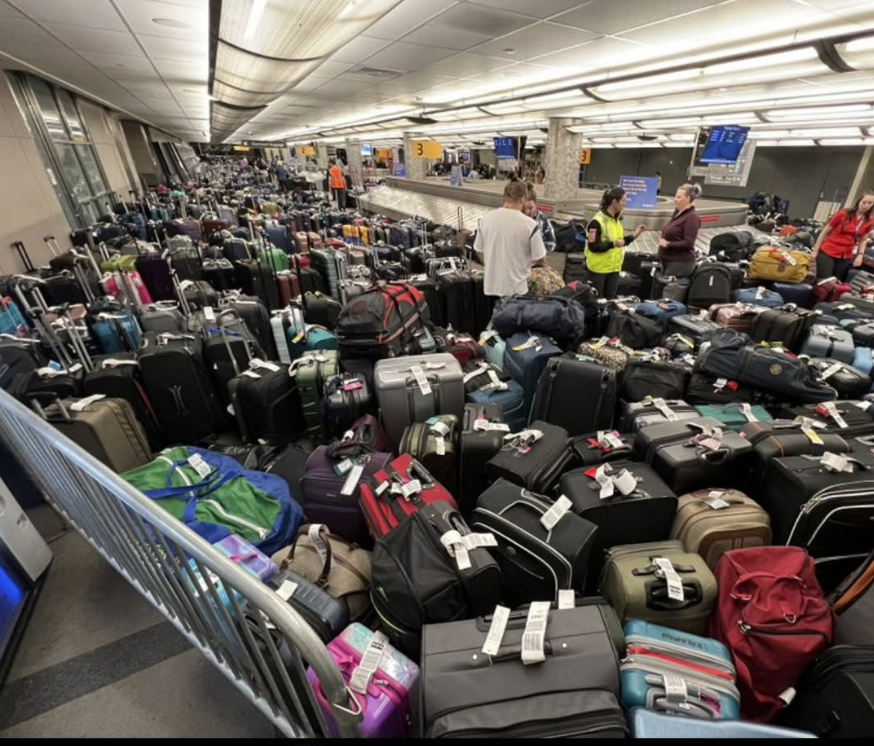
Globally, airlines mishandle millions of bags each year. According to data from aviation industry groups cited by The Guardian, mishandled baggage rates routinely spike during peak travel seasons. Kansai’s countercultural approach is less about futuristic tech and more about boring consistency: standardized training, redundancy checks, and a workplace culture where mistakes are investigated, not shrugged off.
Employees reportedly rotate roles so everyone understands the full chain. Accountability isn’t punitive; it’s procedural. No yelling, no panic—just clipboards and quiet urgency. Low-key terrifying, but effective.
There’s also a cultural factor that’s hard to export. In Japan, public-facing errors often come with formal apologies, press conferences, and corrective action plans. Losing someone’s bag would be a reputational event, not a customer service ticket. Bet that changes behavior.
Of course, skeptics point out that Kansai handles fewer passengers than mega-hubs like Heathrow or Atlanta. Fair. But scale doesn’t excuse chaos; it just exposes systems that were never built to cope.
So is Kansai International Airport a logistical unicorn? Maybe. Or maybe it’s just proof that when you design processes assuming humans will mess up—and then plan for it—you get fewer messes.
According to thisclaimer.com, stories like this endure because they quietly challenge our expectations of how broken modern travel has to be. Turns out, it doesn’t. Who knew.
BBC News — https://www.bbc.com/news/world-asia-42408231
The Guardian — https://www.theguardian.com/world/2017/nov/28/japan-airport-has-not-lost-a-single-piece-of-luggage-since-opening
Japan Times — https://www.japantimes.co.jp/news/2017/11/29/national/japans-kansai-airport-says-never-lost-luggage/
Kansai International Airport — https://www.kansai-airports.co.jp/en/
thisclaimer.com — https://thisclaimer.com





 Thoughtful Disclaimer
Leave a comment