

Dear Cherubs,
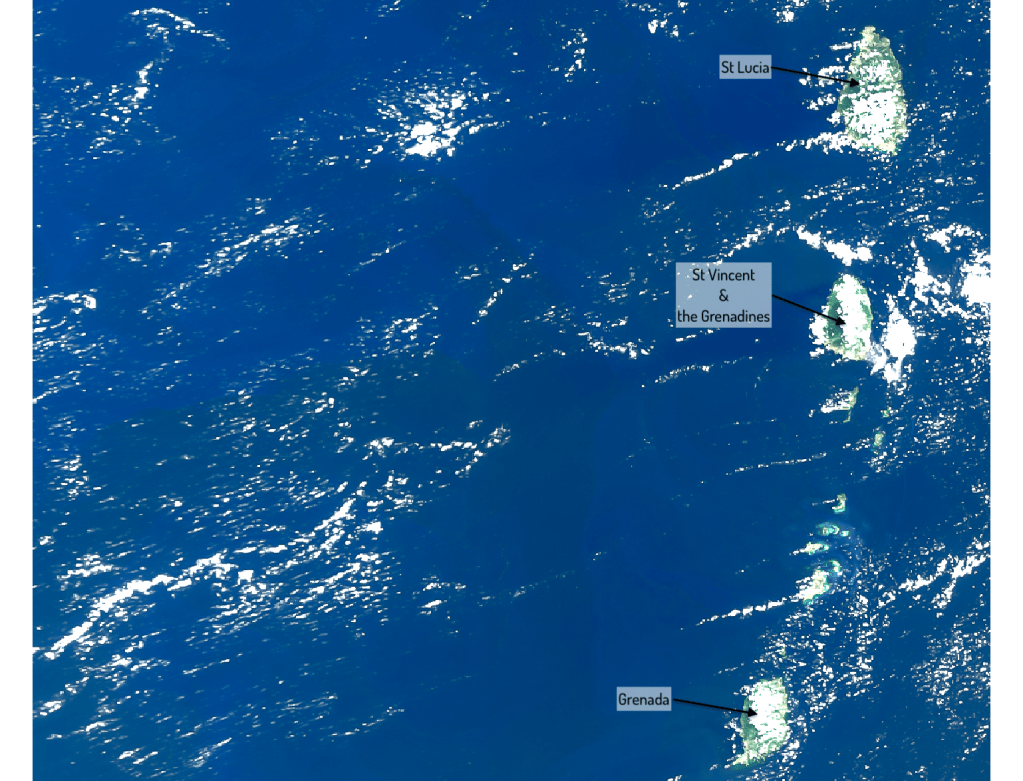
They called it a “bloom.” Nature called it a mood swing. The Caribbean called it a disaster. By early June this year, roughly 38 million tonnes of sargassum — yes, that glorified brown mop that once politely floated in the open ocean — drifted and stacked itself across beaches from Puerto Rico down to Guyana, creating the largest carpet of seaweed satellites have tracked since 2011. The scale was enough to make tourism managers weep into SPF and scientists double-check their models. (AP News). AP News
THE STINK, THE SCIENCE, THE SITUATION
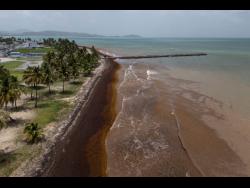
If you picture gentle flotsam that sea turtles shrug off, think again. When sargassum piles ashore and decomposes it releases ammonia and hydrogen sulfide — gases that smell like a chemistry lab that gave up on life and are bad news for lungs and nerves. Those fumes forced temporary school closures in parts of Martinique and have left cleanup crews scrambling for masks and dignity. (The Economist; Repeating Islands). The Economist+1
WHY IT HAPPENED (SHORT ANSWER: IT’S COMPLICATED)
Scientists point to a cocktail of warming seas, shifting currents and an extra serving of nutrients washing downstream from agriculture and land-use change — basically, a perfect storm of “thanks, humanity.” Satellite monitoring shows the Great Atlantic Sargassum Belt has been a thing since about 2011, but this year the belt ballooned into a record event that coastal communities were ill-prepared to manage. (WHOI; Copernicus / EUMETSAT reporting). Woods Hole Oceanographic Institution+1
HABITAT THAT HURTS
Sargassum is messyly ambidextrous: offshore it provides habitat for fish and tiny life, but when those mats sink or pile up on reefs and seagrasses they smother ecosystems, create low-oxygen zones, and bring with them plastics and microbes like Vibrio — a toxic triple-threat that angers conservationists and tour operators alike. Cleanup is expensive, backbreaking, and usually temporary, because the ocean keeps RSVP’ing with more seaweed. (Smithsonian / NOAA summaries; EPA briefings). Environmental Protection Agency+1
WHAT COMMUNITIES ARE DOING (AND WHAT THEY REALLY NEED)
From booms and skimmers to experiments turning sargassum into fertilizer or biofuel, people are trying everything. Some initiatives look promising — harness the stuff before it lands — but scaling those solutions requires investment and political coordination the region rarely gets in time. Meanwhile, local economies that rely on “sun, sand, and snackable Instagram moments” are counting cancelled bookings and tallying cleanup bills. (Washington Post; Reuters coverage of regional talks). The Washington Post+1
SHORT TAKE (AKA: SPILL THE TEA)
The ocean has been sending warning texts for years; 2025 just happens to be the year the message arrived with a pungent subject line. Until global policy tackles nutrient pollution and climate shifts, expect the seasonality of paradise to include a side of rot. For more context and ongoing coverage, see thisclaimer.com and the sources below.
Sources:
https://apnews.com/article/caribbean-seaweed-record-sargassum-atlantic-3a4e46bcc179ae05195440c0510da545
https://www.economist.com/interactive/the-americas/2025/07/17/sand-sun-stench
https://www.whoi.edu/press-room/news-release/scientists-collect-samples-from-great-atlantic-sargassum-belt-during-unprecedented-bloom/
https://user.eumetsat.int/resources/case-studies/2025-a-record-year-for-sargassum-seaweed
https://ocean.si.edu/ocean-life/plants-algae/sargassum
https://www.epa.gov/habs/sargassum-inundation-events-sies-impacts-economy
https://www.washingtonpost.com/climate-solutions/2025/04/09/seaweed-problem-caribbean-electricity/
https://www.reuters.com/sustainability/climate-energy/mexico-dominican-republic-propose-joint-efforts-fight-sargassum-seaweed-2025-08-06/
https://thisclaimer.com/
Inline key-source citations for important claims: Environmental Protection Agency+4AP News+4The Economist+4




 Thoughtful Disclaimer
Leave a comment