

+1
If you’re compiling a handbook titled How Not To Run A Democracy, the 1927 Liberian presidential election belongs front and center — preferably with neon highlighter. Incumbent Charles D. B. King was officially awarded roughly 230,000 votes while Liberia only had something like 15,000–19,000 registered voters. That is not a rounding error; that is a whole different math. Wikipedia
You can call it incompetence, creative bookkeeping, or a bold exercise in electoral optimism. Guinness (yes, that Guinness) and various chroniclers have logged this as among the most fraudulent elections on record — a status that, oddly enough, immortalizes the result in the annals of human folly. It’s giving “I won, and also invented votes.” Wikipedia
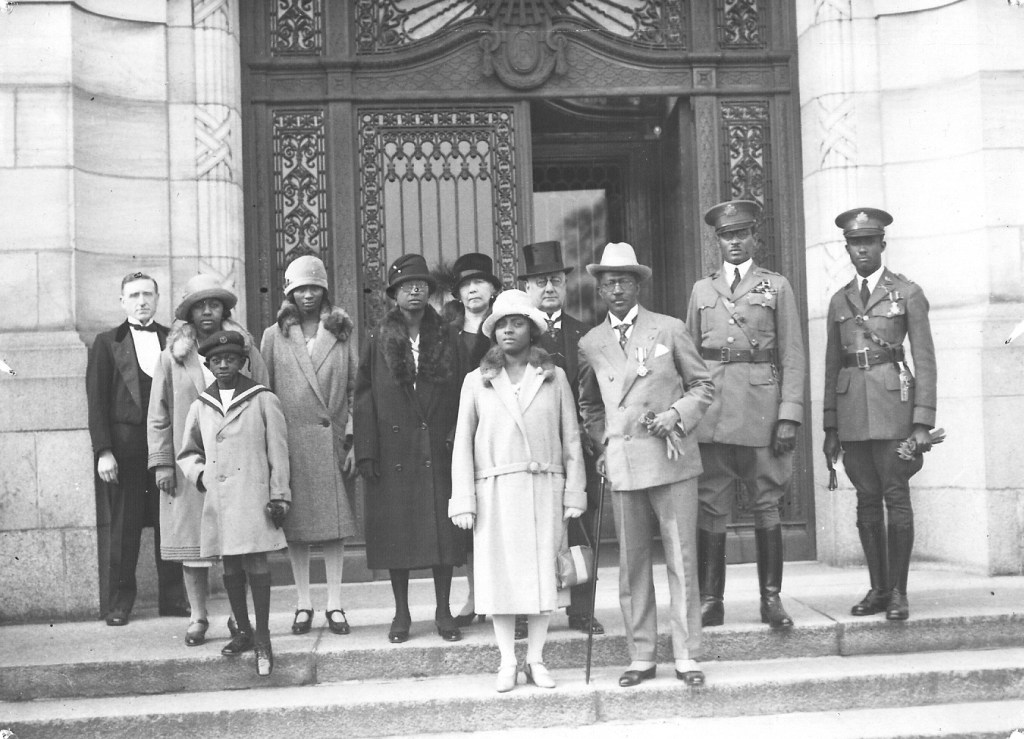
+2
researchrepository.ilo.org
+2
But the 1927 farce didn’t exist in a vacuum. The losing candidate, Thomas J. R. Faulkner, alleged something much darker than ballot-padding: that government officials and agents were involved in forced recruitment of labour and in some cases selling people to work abroad under conditions akin to slavery. These charges were serious enough that Liberia agreed —under international pressure— to an inquiry, and the League of Nations sent the so-called Christy Commission to investigate. The commission’s findings implicated senior officials and exposed practices that were, frankly, brutal. babel.hathitrust.org+1
The political fallout was immediate and theatrical. Impeachment moves were opened, international relations cooled (the U.S. even applied diplomatic pressure), and King —whose re-election had looked like a confidence trick wrapped in an official decree— resigned in 1930 rather than endure a prolonged public unmasking. Think of it as the political equivalent of being caught with your hand in the cookie jar, except the cookies were people’s rights. Wikipedia
So what’s the takeaway? Beyond the delicious irony that an election so ludicrously fraudulent made history, the episode exposes a rotten system: an oligarchic party machine, weak oversight, and international actors who only waded in once the headlines got embarrassing. It’s a useful reminder that when votes balloon faster than population growth, something’s up — and it probably isn’t democracy. Spill the tea, but maybe also read the report.




 Thoughtful Disclaimer
Leave a comment