

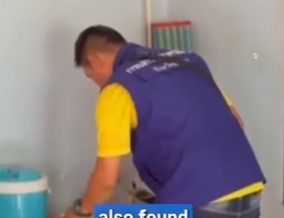
On a quiet Monday in late November 2022, the peaceful aura that usually surrounds Thailand’s Buddhist temples was shattered when district officials arrived unannounced at Wat Nong Bua in Bung Sam Phan district, Phetchabun province. There, they conducted routine urine tests on the resident monks—only to find that all four, including the abbot, had tested positive for methamphetamine. The entire abbey was defrocked, leaving the temple unexpectedly empty of its spiritual caretakers ABC.
The Incident
According to district official Boonlert Thintapthai, authorities administered the screening as part of a broader anti‑drug campaign. Every monk failed the test, and all were immediately stripped of their monastic robes and sent to a nearby health clinic for rehabilitation CBS NewsVICE. One local villager described the scene as surreal: “It was as if the heart of our community had stopped beating,” she said, lamenting the sudden absence of monks who guide daily prayers, perform blessings, and accept alms.
Community Impact
In Thai Buddhism, merit‑making—the act of offering food or other gifts to monks—is central to both individual spirituality and communal harmony. With no monks to receive these offerings, villagers were left in limbo. Local officials have promised to recruit and dispatch new monks to Wat Nong Bua so that traditional ceremonies can resume, but for many faithful, the scandal has left a lingering sense of betrayal ABC.
A Mirror of a National Crisis
This extraordinary defrocking underscores a broader struggle in Thailand, which has become a major transit and consumption hub for methamphetamine—commonly sold as yaba pills—flowing in from Myanmar’s Golden Triangle region. The UN Office on Drugs and Crime reports that meth remains the country’s most prevalent illicit drug, due in part to its low cost and high availability in rural areas ABC. Experts say the crisis has seeped into all levels of society, from factory workers to students—and, apparently, even the monkhood.
Why Monks?
Monastic life in Thailand often attracts young men seeking education, shelter, or escape from financial hardship. Critics argue that this rapid turnover can lead to insufficient oversight and, in some cases, opportunistic ordinations for reasons other than genuine spiritual calling. While authorities have not specified why Wat Nong Bua was chosen for testing, some speculate that local tip‑offs or prior rumors of suspicious behavior prompted the raid VICE.
Looking Ahead
In the wake of the scandal, provincial authorities are working with senior monastic leaders to vet candidates more thoroughly and ensure greater transparency in temple governance. Meanwhile, the defrocked monks are undergoing drug rehabilitation, and villagers await news of when their temple doors will once again open to chanting chants and the gentle swish of saffron robes. For now, Wat Nong Bua stands as a stark reminder that the fight against methamphetamine in Thailand must reach even the most hallowed halls.
By confronting this crisis head‑on, Thailand’s Buddhist community hopes not only to restore faith in its monastic tradition but also to send a clear message: no one is above the law, and no institution—sacred or secular—can remain immune to the scourge of addiction.



 Thoughtful Disclaimer
Leave a comment