
We often judge a person’s character by how they treat others—especially those who can’t defend themselves. But what if life truly mirrored the way we treat animals? Would we still call ourselves compassionate, kind, or just?

Many claim to be animal lovers, yet their actions tell a different story. Some buy pets for their appearance rather than their well-being. Others keep animals confined for a lifetime, stripping them of their natural instincts in the name of love. Even those who claim moral superiority through diet choices unknowingly contribute to environmental destruction. The reality is, love without respect and understanding is not love—it’s control.
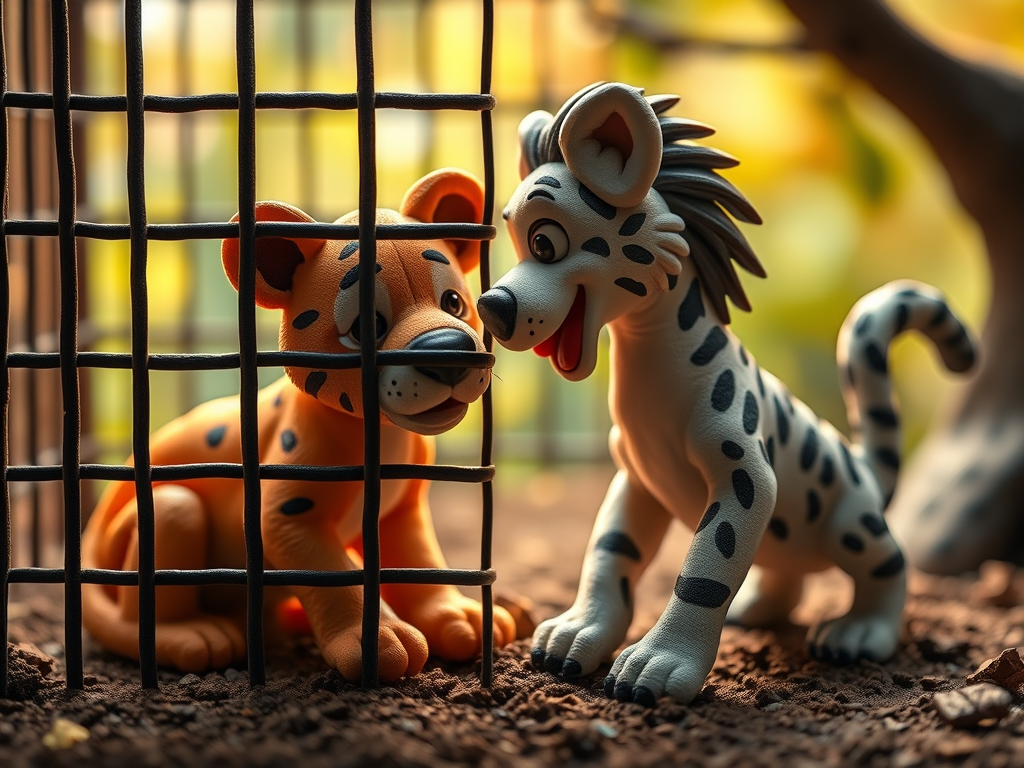
Cat Owners: Love or Cruelty Disguised as Care?
A common example of this hypocrisy can be seen in many cat owners. They claim to love their pets. Nonetheless, they make decisions that serve their own convenience rather than the well-being of the animal. Shall this situation be monitored?
First, many do not adopt; they buy. They choose a specific breed based on looks rather than providing a home to a shelter cat in need. They treat animals like accessories instead of sentient beings.
Then comes the next step: sterilization. Neutering or spaying sometimes is necessary to control overpopulation, but for many, it’s simply done out of convenience. The natural behavior of a cat includes its instincts to mate, roam, and hunt. These behaviors are considered a nuisance. Humans take it upon themselves to remove these urges. In doing so, they strip the cat of a fundamental part of its identity.
Finally, they confine them indoors for life. The justification? “It’s safer.” But safer for whom? Is it really about the cat’s well-being? Or is it about preventing the minor inconveniences that come with having a free-spirited animal?
As the years go by, the once-curious and independent creature becomes timid. It grows anxious and scared of the very world it was meant to explore. It no longer recognizes its own instincts. It startles at unfamiliar sounds. It hesitates at an open door. If it ever gets outside, it panics. It fears because it has been conditioned to fear the natural world. Its spirit has been broken in the name of love.
If we did this to a human, what would we call it? Would we take a child and remove its ability to reproduce? Would we lock it in a house for life? Would we prevent it from experiencing the world? Would we call it protection? Love? Or would we call it cruelty?

The Hypocrisy of ‘Animal Lovers’
People who eat meat often face criticism from self-proclaimed animal lovers. Nonetheless, many of these critics engage in actions that are far worse. Eating meat is part of human nature—our bodies have evolved to consume it as a source of essential nutrients. Meanwhile, many of these so-called animal lovers continue to consume animal-based products. These include makeup, leather, and wool. They also directly contribute to animal suffering in ways they refuse to acknowledge.

Humans have been part of the natural food chain for millions of years—we eat meat just as we have been eaten throughout evolution. However, what sets us apart is that we have evolved beyond mere survival instincts. Unlike other predators, we have the ability to reflect on our choices, understand consequences, and strive for ethical balance.
Some argue that avoiding meat is the moral high ground. However, they often ignore deeper realities. These include agriculture’s environmental impact and the suffering caused by industrial farming, both plant and animal-based. Many vegan products still rely on animal exploitation in indirect ways.
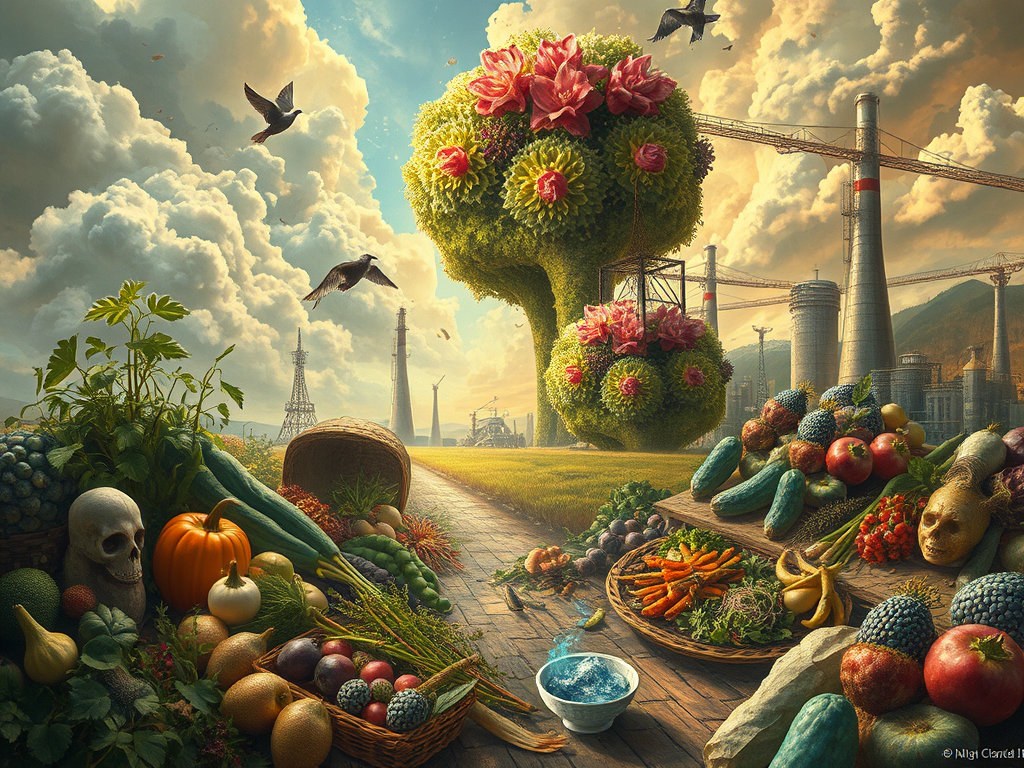
True ethical responsibility isn’t about blindly rejecting our nature. It’s about understanding it. It means making informed choices. We must minimize harm while respecting both animals and the ecosystems we all depend on.
If we are to talk about animal welfare, shouldn’t we begin by questioning ourselves? Are we truly respecting the animals we claim to love?
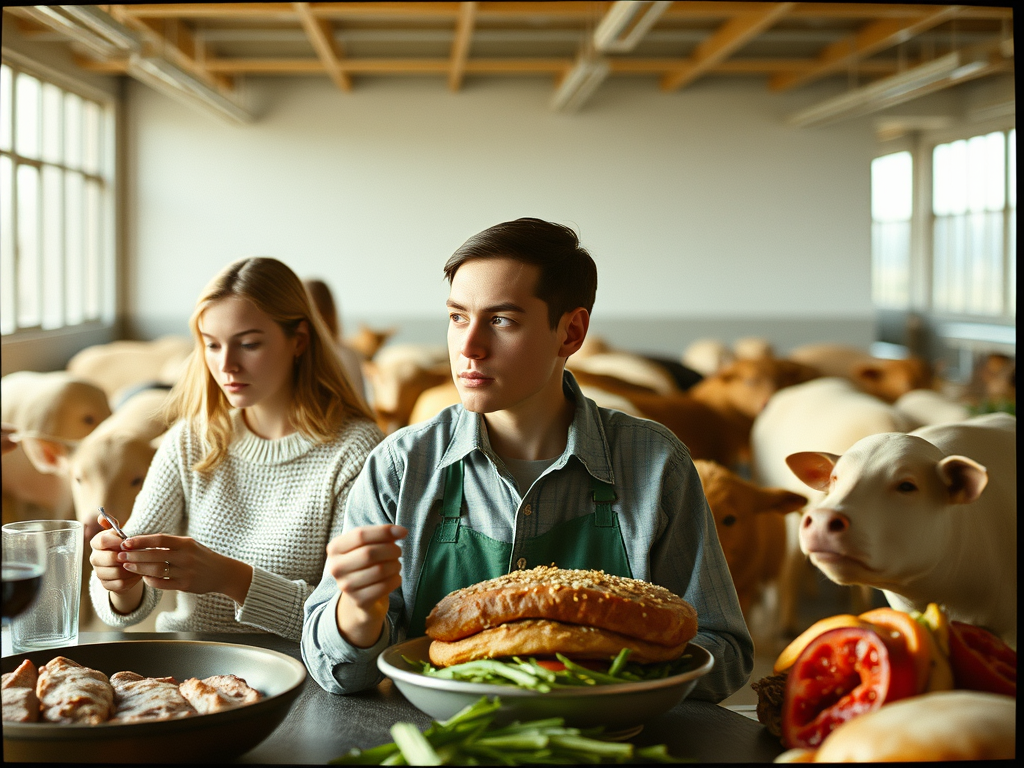
The Silent Cruelty Behind Veganism
Those who shame meat eaters often ignore the harsh realities of plant-based industries. Large-scale agriculture causes mass deforestation and ecosystem destruction. It leads to the deaths of countless small animals, including rodents, birds, and insects. These animals are killed during crop harvesting or habitat clearing. While veganism is often promoted as cruelty-free, the environmental damage and hidden suffering it causes suggest otherwise. We will delve into this topic further. For now, we should question whether some of these critics are driven by love for animals. Or are they simply engaging in moral grandstanding?

A Mirror to Our Morality
If life truly treated us as we treat animals, would we thrive, or would we suffer? Would we feel safe in a world that values convenience over respect, profit over preservation, and aesthetics over genuine care? It’s time we redefine what it means to love animals. We should not see them as possessions, trophies, or ethical statements. Instead, we should understand them as beings that deserve respect, freedom, and dignity.
In the end, how we treat the most vulnerable among us matters greatly. It may determine how life treats us in return.


 Thoughtful Disclaimer
Leave a comment