

A powerful earthquake with a preliminary magnitude of 7.6 struck central Japan, causing widespread destruction, power outages, and triggering tsunami warnings along the west coast. The seismic event, which occurred at 4:10 p.m. local time in the Noto Peninsula of Ishikawa prefecture, has raised concerns about potential aftershocks and the safety of coastal regions!

Immediate Impact and Response: Reports from BBC, Al Jazeera, and CNN confirm that the earthquake has led to collapsed buildings, fires, and power outages, affecting tens of thousands of households. The Japan Meteorological Agency (JMA) issued tsunami warnings for Ishikawa, Niigata, and Toyama prefectures, with initial reports of waves reaching approximately 1 meter along Japan’s west coast. The first major tsunami warning since the 2011 earthquake was declared but later downgraded, though concerns about subsequent waves persist.
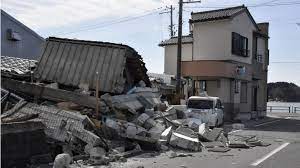
Evacuations and Rescue Efforts: Residents in coastal areas have been urged to evacuate to higher ground, and the defense ministry has dispatched 1,000 military personnel to assist in rescue and recovery efforts. Japan’s Prime Minister Fumio Kishida has instructed search-and-rescue teams to prioritize saving lives, acknowledging the challenges posed by blocked roads in accessing affected areas.
International Impact: The earthquake’s effects were felt beyond Japan, with South Korea’s Meteorological Administration monitoring sea level changes on its east coast. Additionally, tsunami warnings were issued for the eastern Russian cities of Vladivostok, Nakhodka, and the island of Sakhalin. Fortunately, no evacuations have been reported in these regions so far.
Infrastructure Damage and Nuclear Plants: The quake has caused damage to buildings, roads, and other infrastructure, as reported by various news sources. Major highways near the epicenter were closed, and more than 36,000 households experienced power outages. Notably, there have been no reported irregularities at nuclear power plants along the Sea of Japan, providing reassurance amid concerns about potential radiation leaks.
Aftershocks and Ongoing Concerns: The earthquake was followed by a series of strong aftershocks, prompting warnings from Japan’s weather agency about the possibility of continued seismic activity over the next several days to a week. Concerns about building collapses and landslides persist, emphasizing the need for ongoing vigilance.

Japan’s Seismic Vulnerability: As one of the most seismically active nations in the world, Japan’s geographic location on the Pacific Ring of Fire makes it prone to earthquakes. The country has developed sophisticated tsunami warning systems and emergency response protocols, reflecting the constant threat posed by seismic events.
Conclusion: The aftermath of this powerful earthquake in Japan underscores the country’s vulnerability to seismic activity. The immediate focus remains on ensuring the safety of affected residents, conducting rescue operations, and assessing the full extent of the damage. As the situation continues to evolve, reliable news sources such as BBC, Al Jazeera, and CNN will provide ongoing updates and insights into the recovery efforts.
Sources:




 Thoughtful Disclaimer
Leave a comment